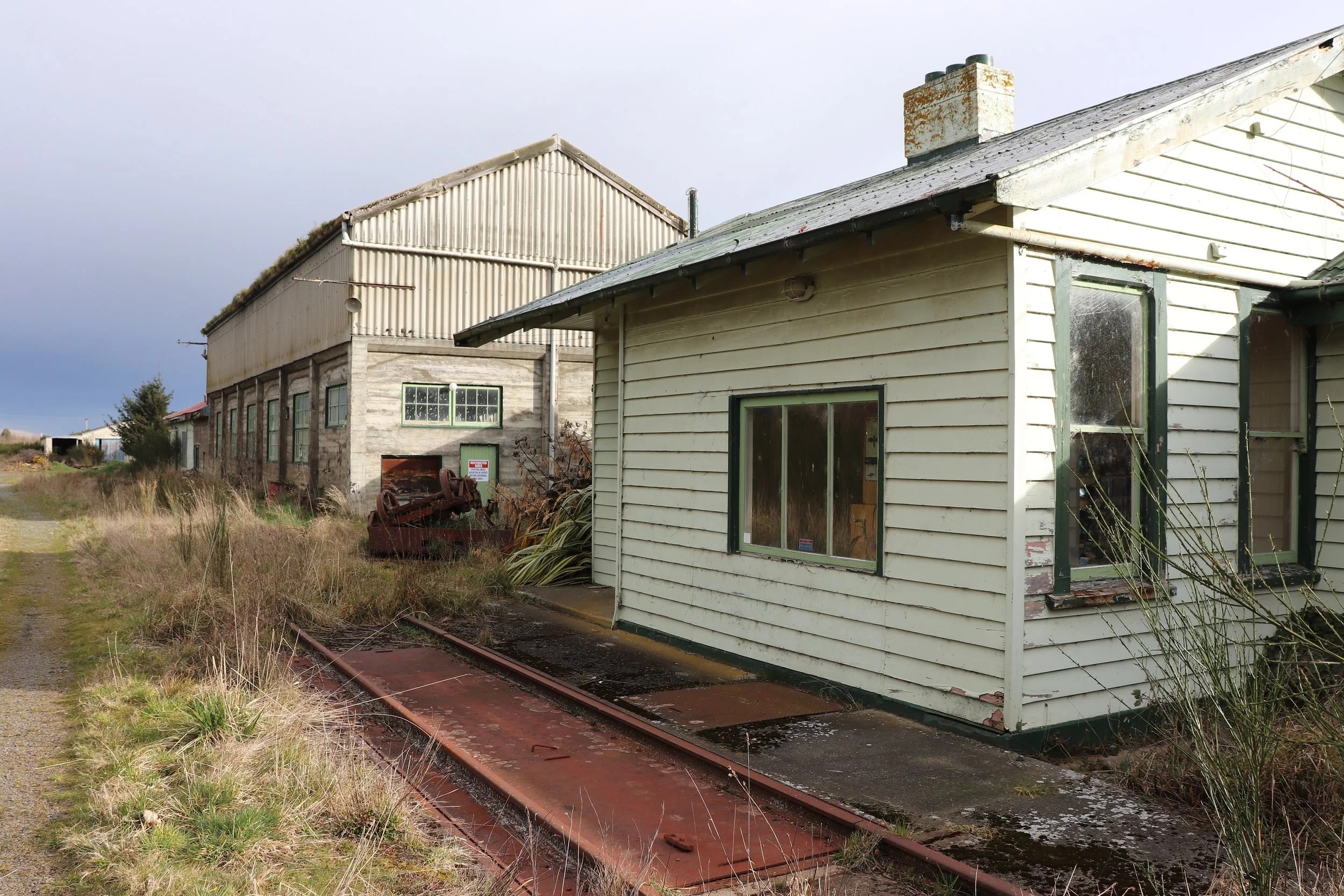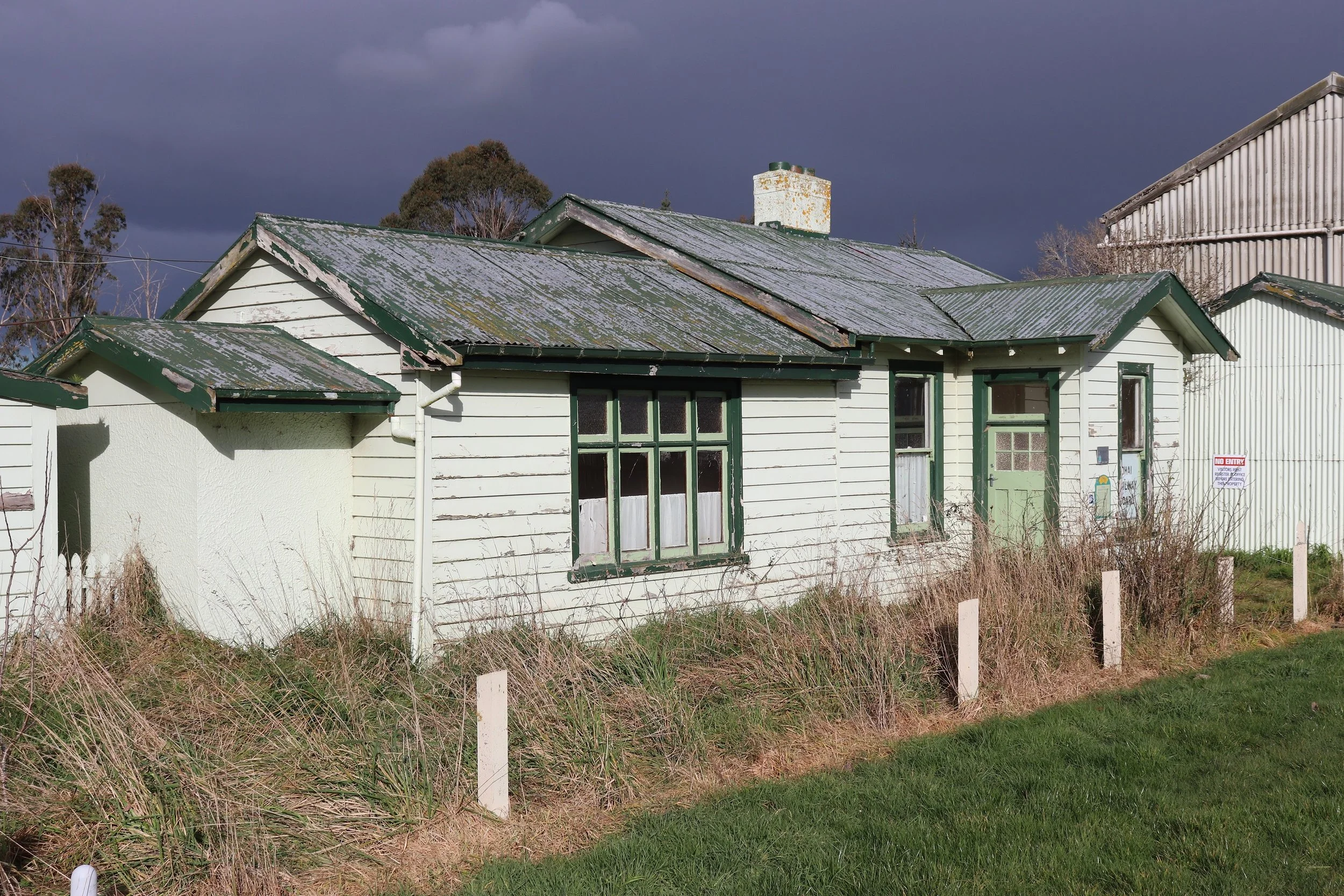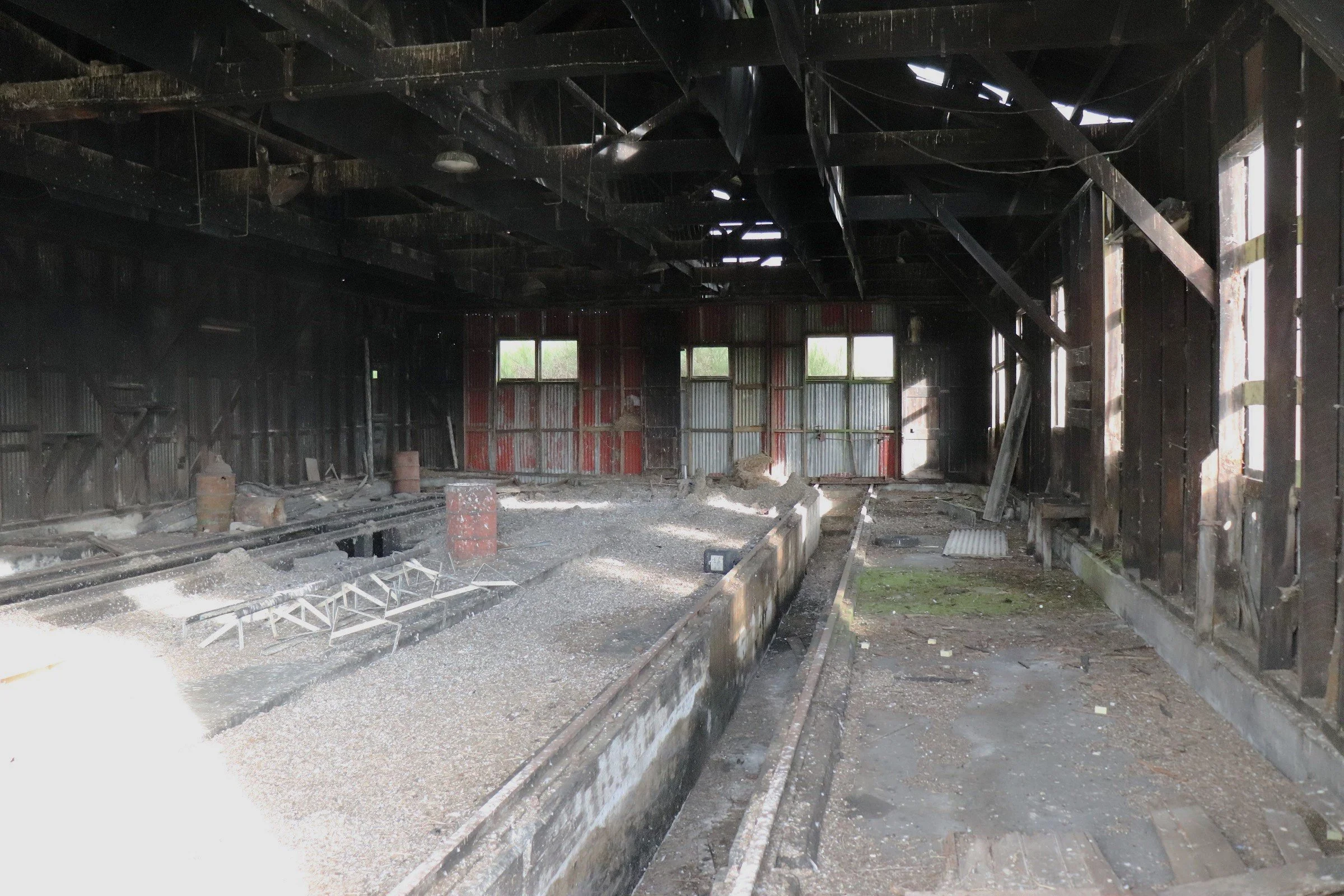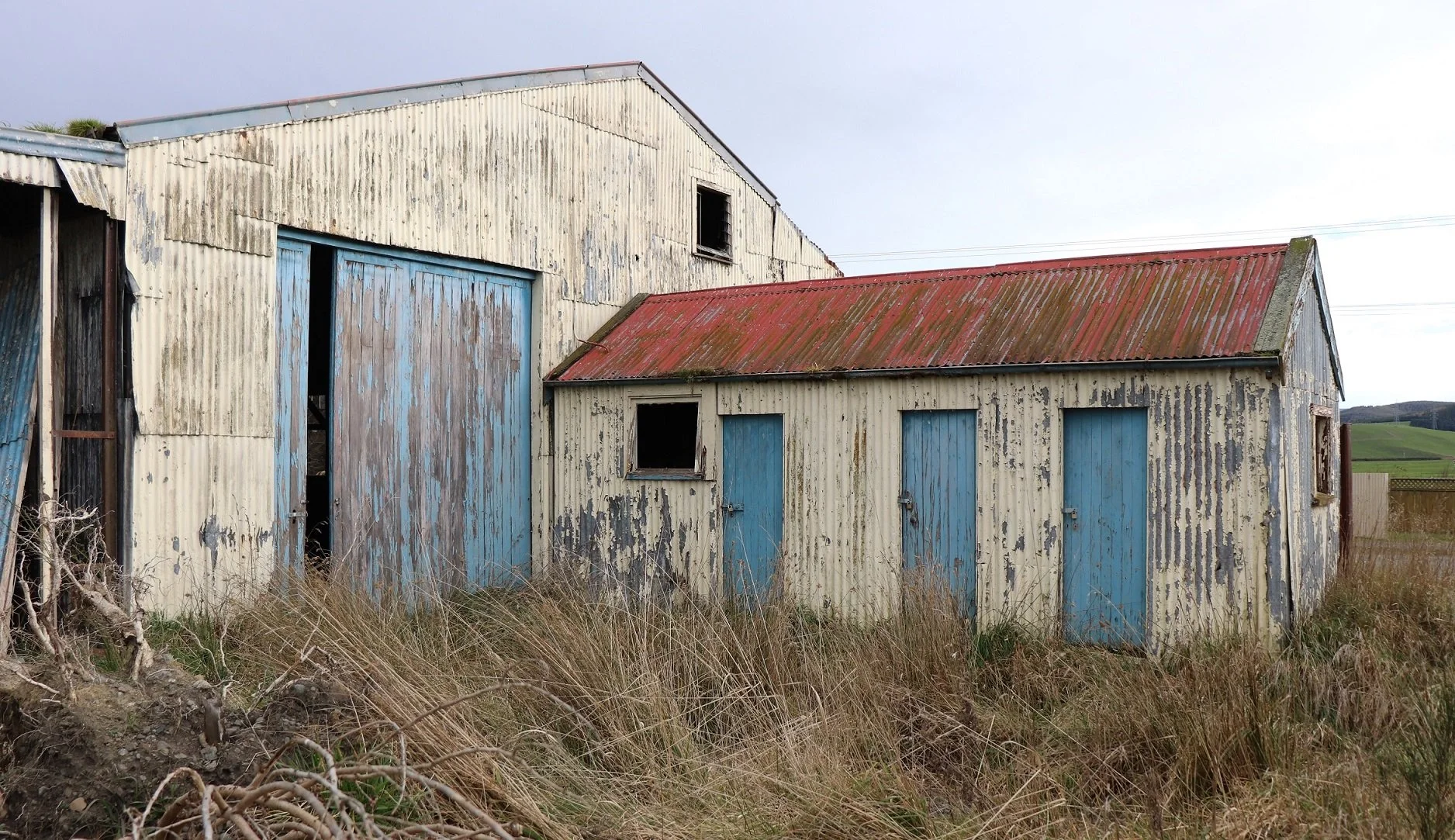
Image kindly shared by Rail Heritage Trust (RHT)
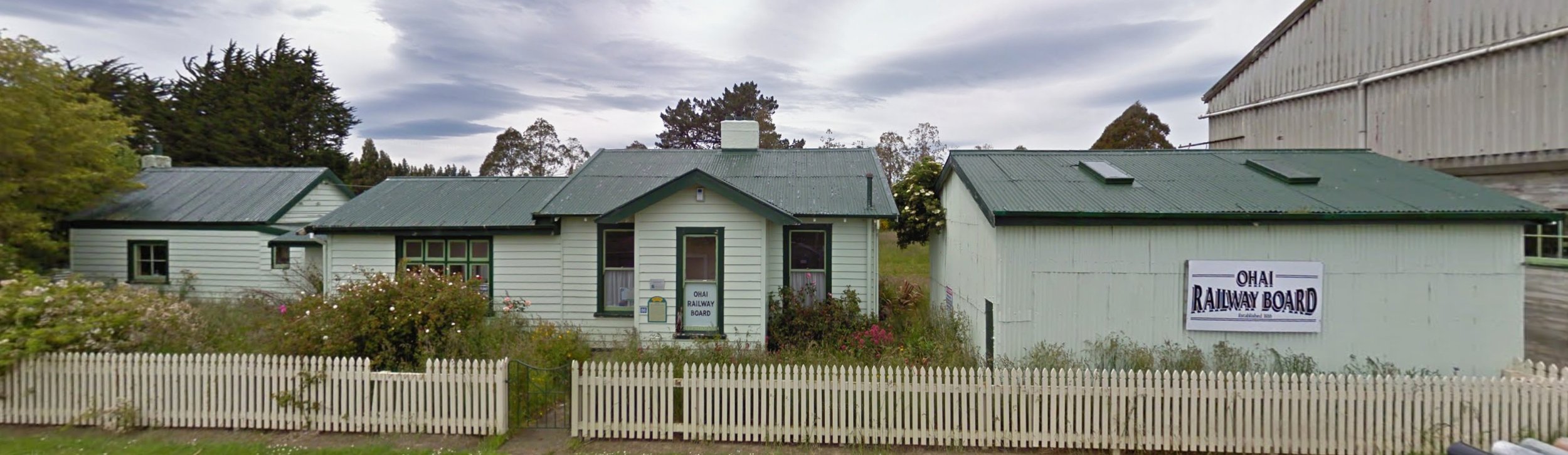
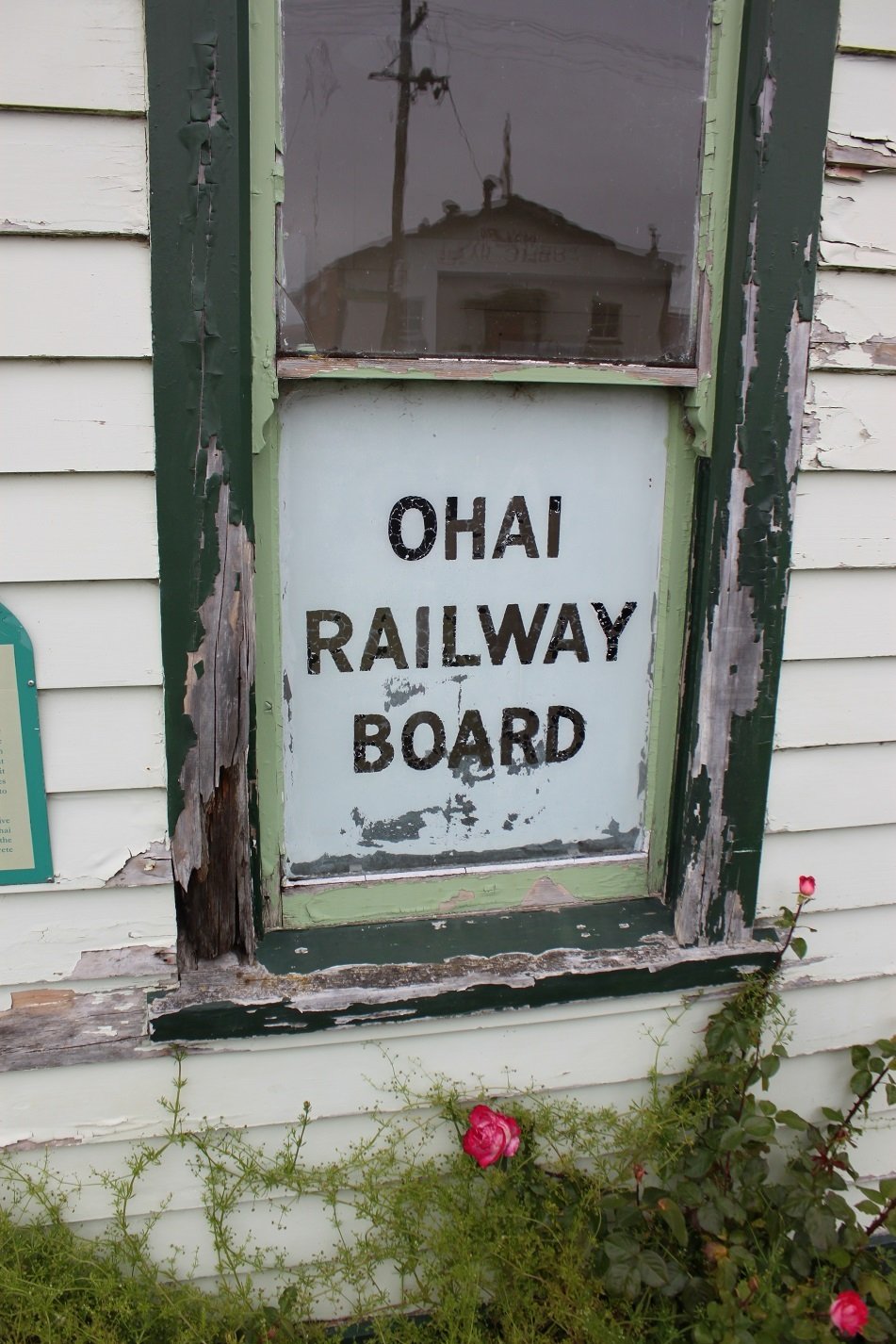
Ohai Railway Board Office and Depot (Former)
Extent includes the land described as Railway Land (Wairio Branch Railway), Southland Land District, as shown on ROLL 31/8, and the buildings known as the Ohai Railway Board Offices and Depot (Former) thereon.
The Ohai Railway Board Offices and Depot (Former) remain a striking presence in Wairio, Southland—utilitarian yet picturesque, and deeply significant both architecturally and historically. Built between 1882 and 1947, these structures supported New Zealand’s most successful private railway, operated under the 1914 Local Railways Act. The Wairio–Ohai line was vital to the coal industry, offering the only privately built and longest-running passenger and coal transport route in the country.
As coal demand grew, so did the infrastructure: engine sheds, weighbridges, cottages, and the distinctive Boardroom where key decisions were made. Though the Ohai Railway Board ran the line for nearly 75 years, the buildings were eventually sold and later housed a museum before falling into disuse. Today, the branch line still operates—Southland’s last rural rail link—while the depot stands as a rare testament to community-driven industry and innovation.
Heritage South would like to acknowledge the Rail Heritage Trust for generously sharing images of the former Ohai Railway Board (ORB) precinct at Wairio. Over the past 30 years, the Trust has worked alongside various groups and individuals who hoped to preserve the precinct, although unfortunately none of these efforts were ultimately successful. As the last remaining privately owned rail precinct in New Zealand, their aim is to see elements of this site protected and restored for future generations.
-
86 Main Street, WAIRIO
-
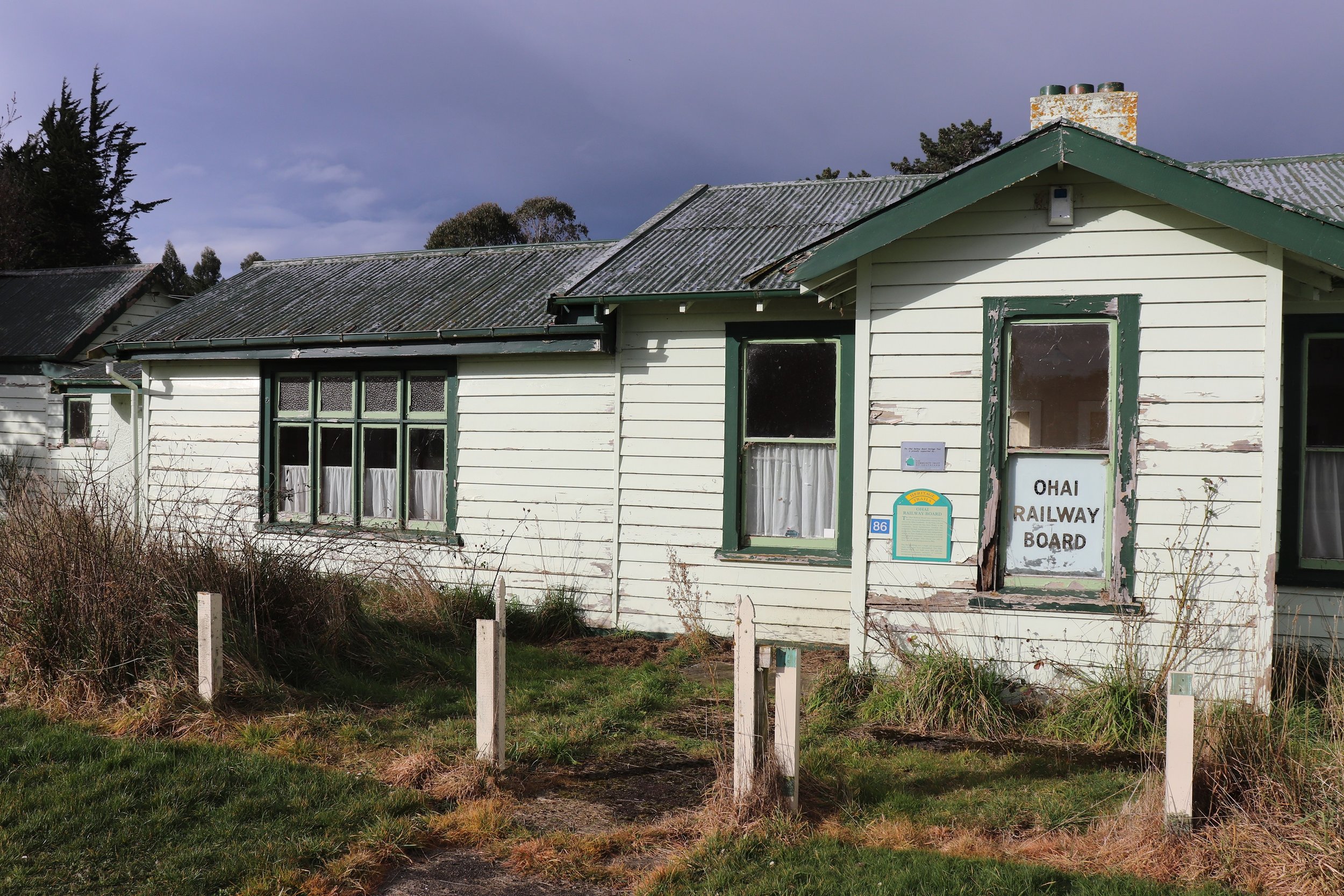
The Ohai Railway Board Office is a modest early‑20th‑century timber building, constructed as part of the railway infrastructure developed between circa 1882 and 1947 to support the privately operated Ohai Railway. Built in the practical rural style typical of Southland railway structures of the period, the office features timber framing, rusticated weatherboard cladding, and a corrugated iron gabled roof set on timber piles. Its simple timber joinery, minimal ornamentation, and functional internal layout reflect its role as an administrative centre during the peak years of coal transport from the Ohai and Nightcaps coalfields.
-
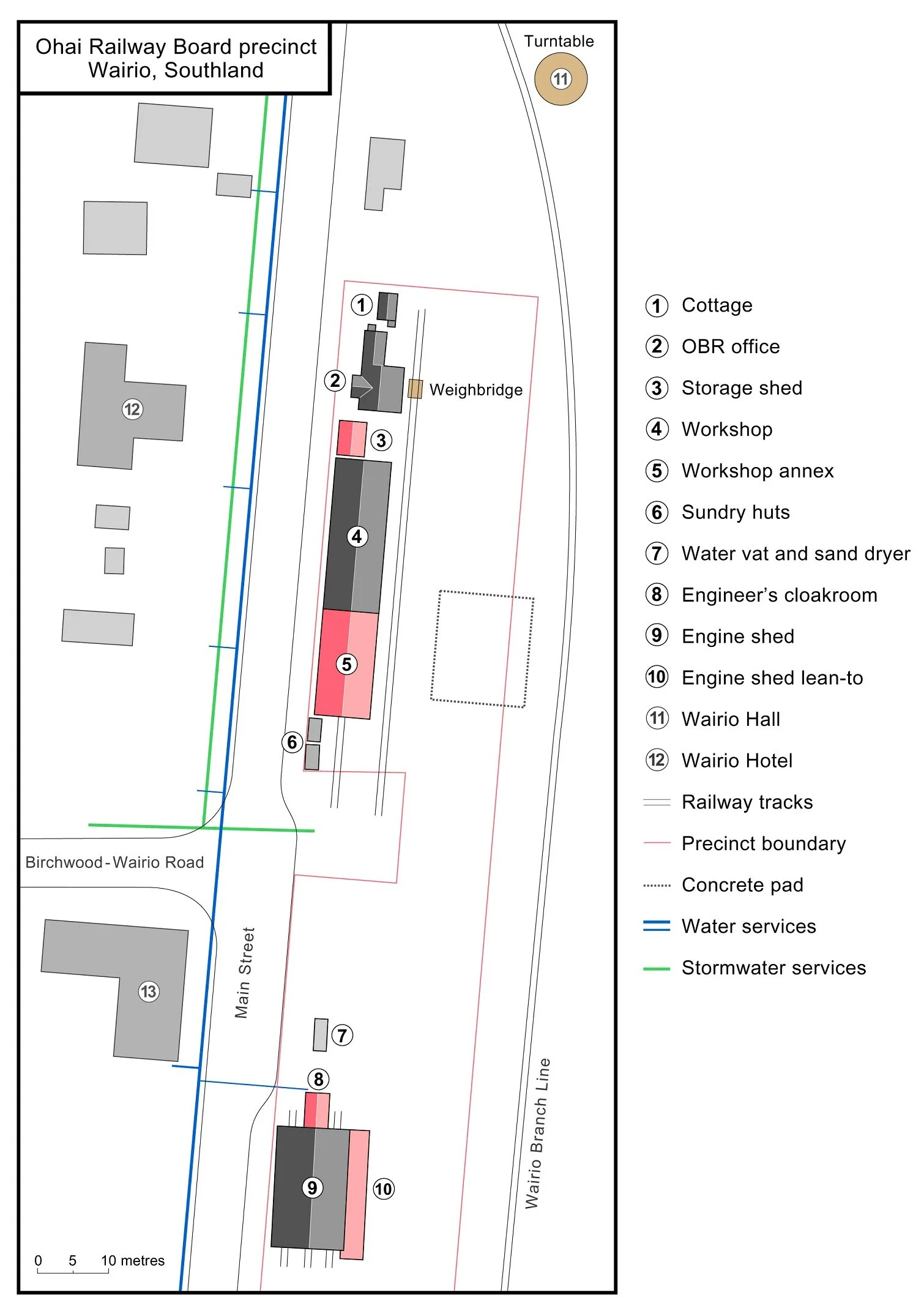
Item deThe ORB remaining structures at Wairio include the following:
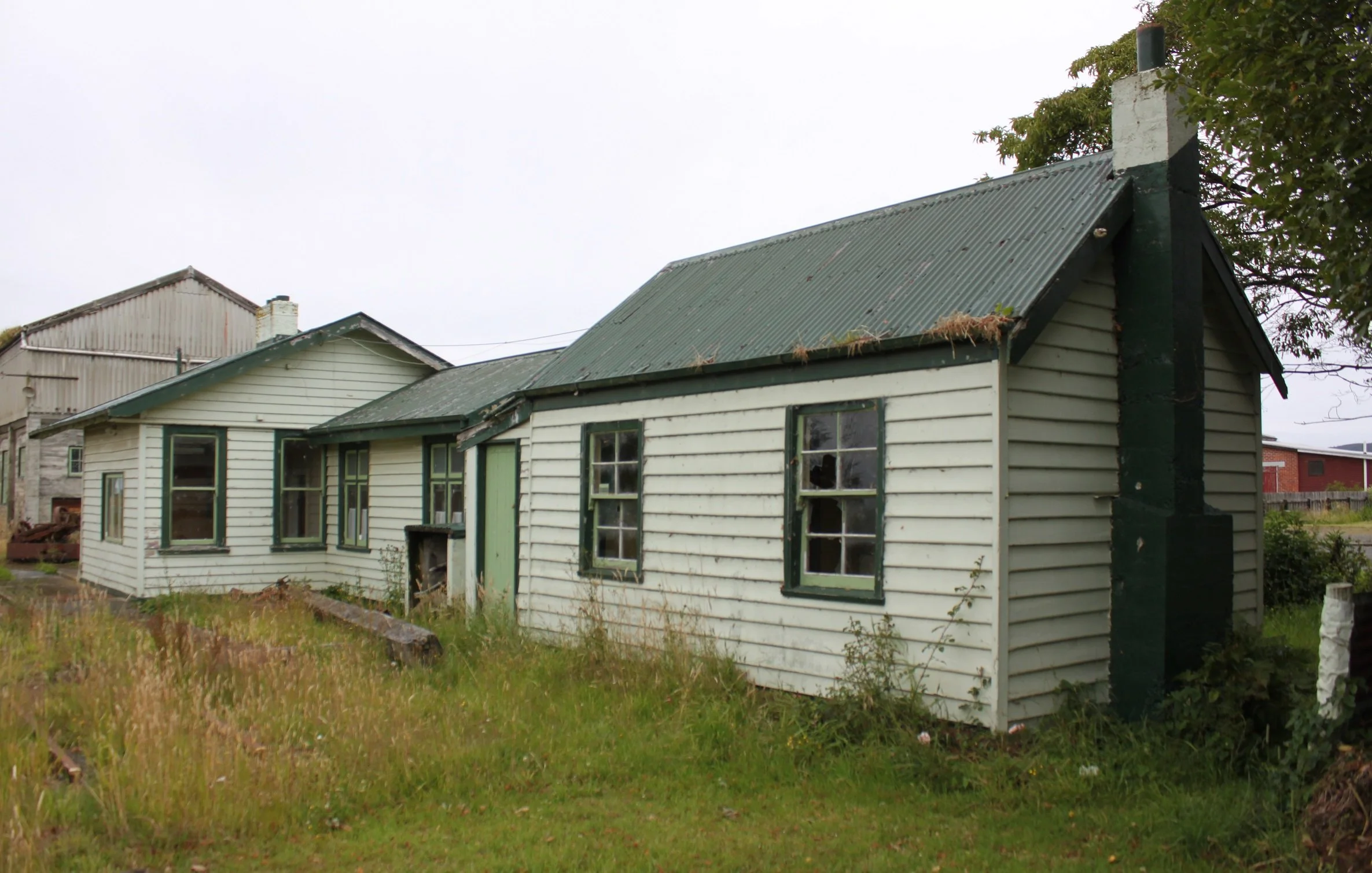
A small cottage at the northern end of the precinct.
The ORB head office that once housed the managerial, clerk, and weighbridge offices, and the OBR boardroom. This building should be preserved irrespective of what happens to the rest of the precinct and could be transported elsewhere. Some rail heritage groups have expressed an interest in taking and relocating the building should the need arise.
A storage shed sandwiched between the ORB office and workshop.
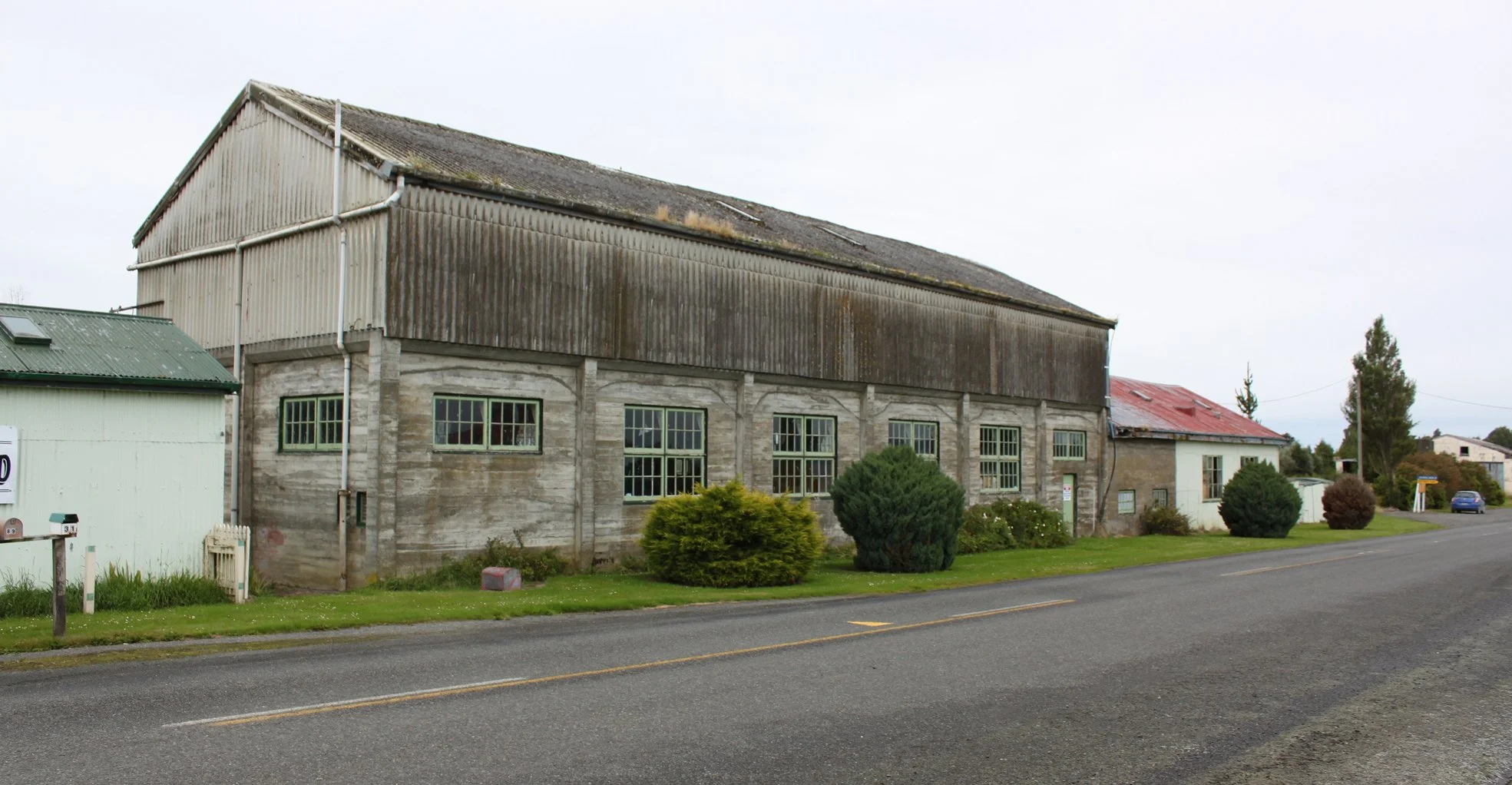
The ORB workshop is the most imposing building in the precinct. Constructed from concrete (lower level), and cladded with asbestos (upper level), it also has an asbestos roof. The need to undertake asbestos removal is likely to make it a costly building to demolish.
The workshop annex, a single storey extension fixed to the southern end of the workshop.
Sundry sheds with corrugated iron walls and roofs.
A water vat and sand dryer. Made from poured concrete, this structure should be preserved irrespective of what happens to the rest of the site
The engineer's cloakroom housing staff facilities that is cladded in corrugated iron.
The ORB engine shed, the building with largest footprint on the site.
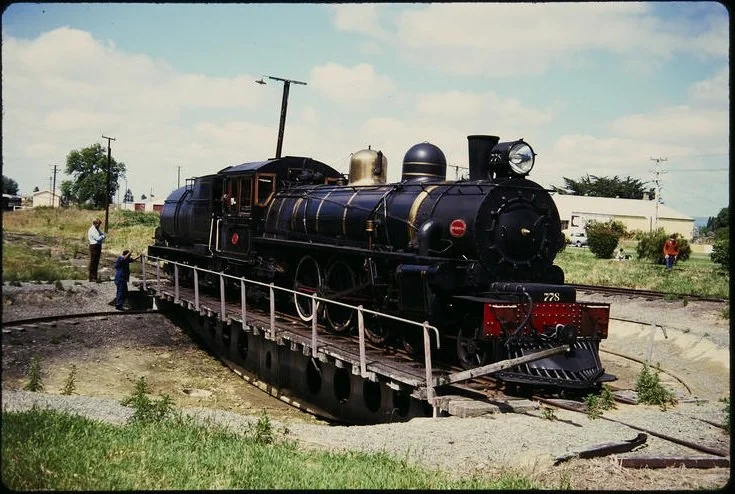
Wairio Ab778 turntable Peter Moses MOTAT C 1980
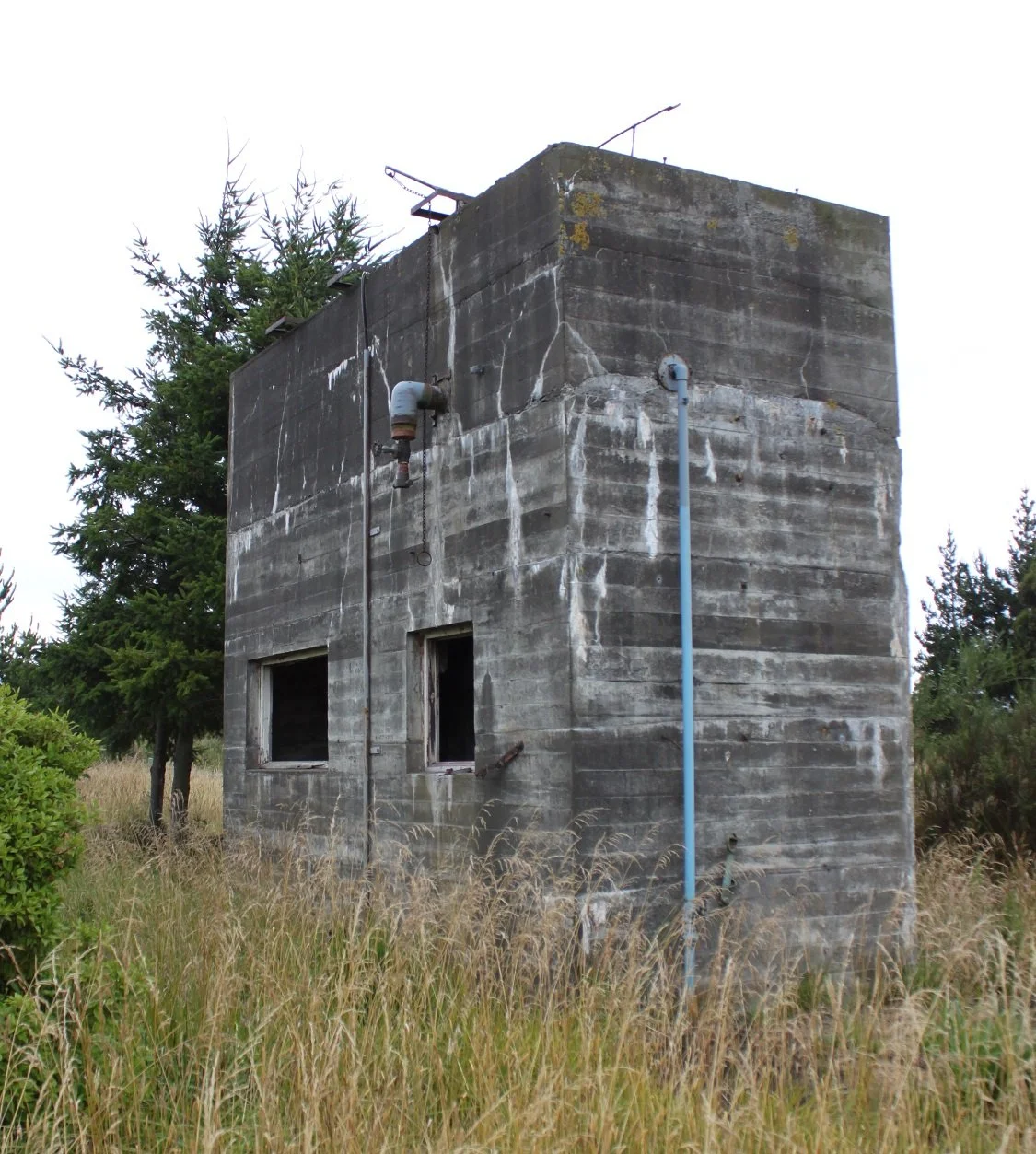
Wairio Water Vat B
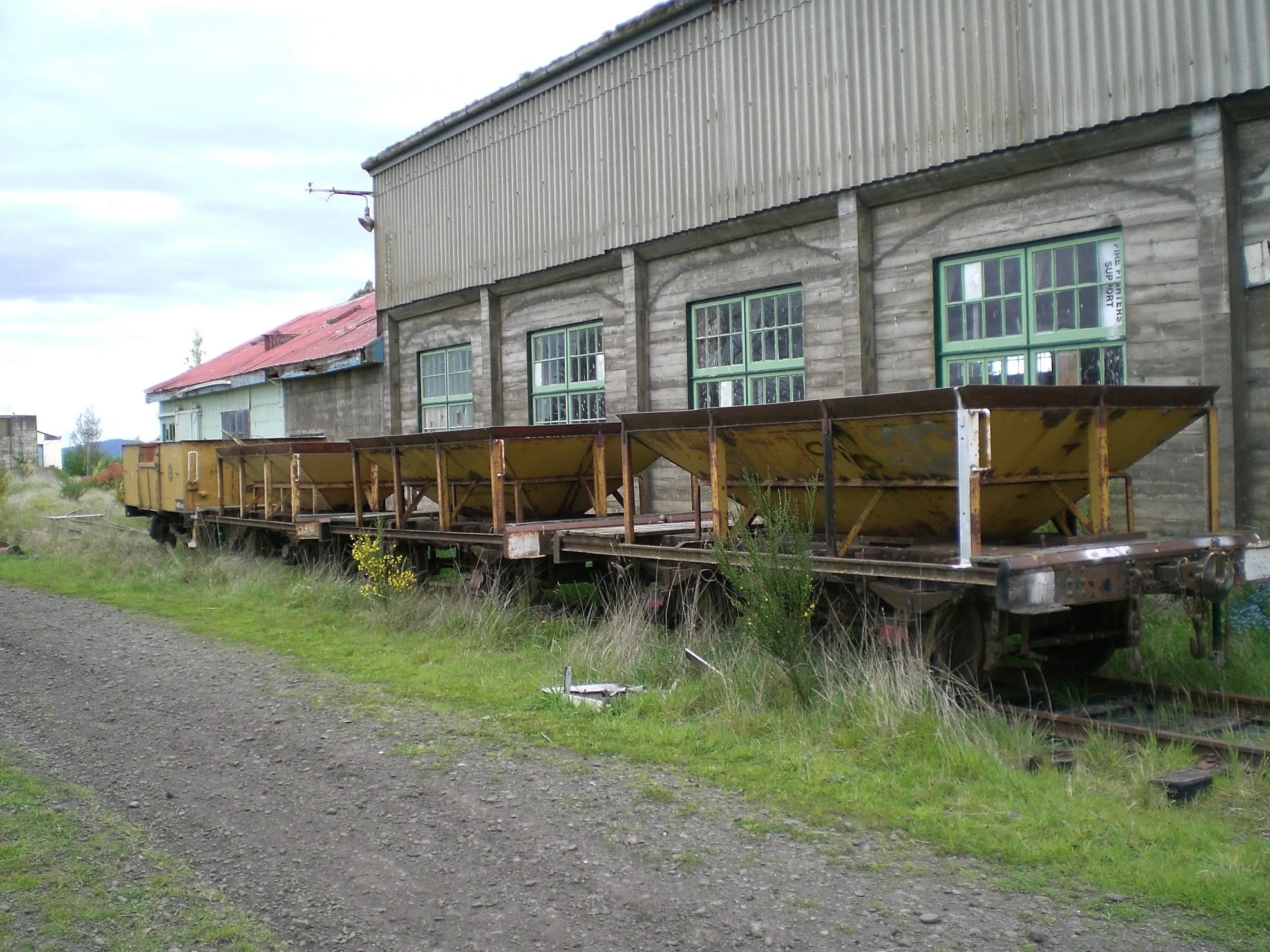
Wairio ORB workshop 2007-10-30
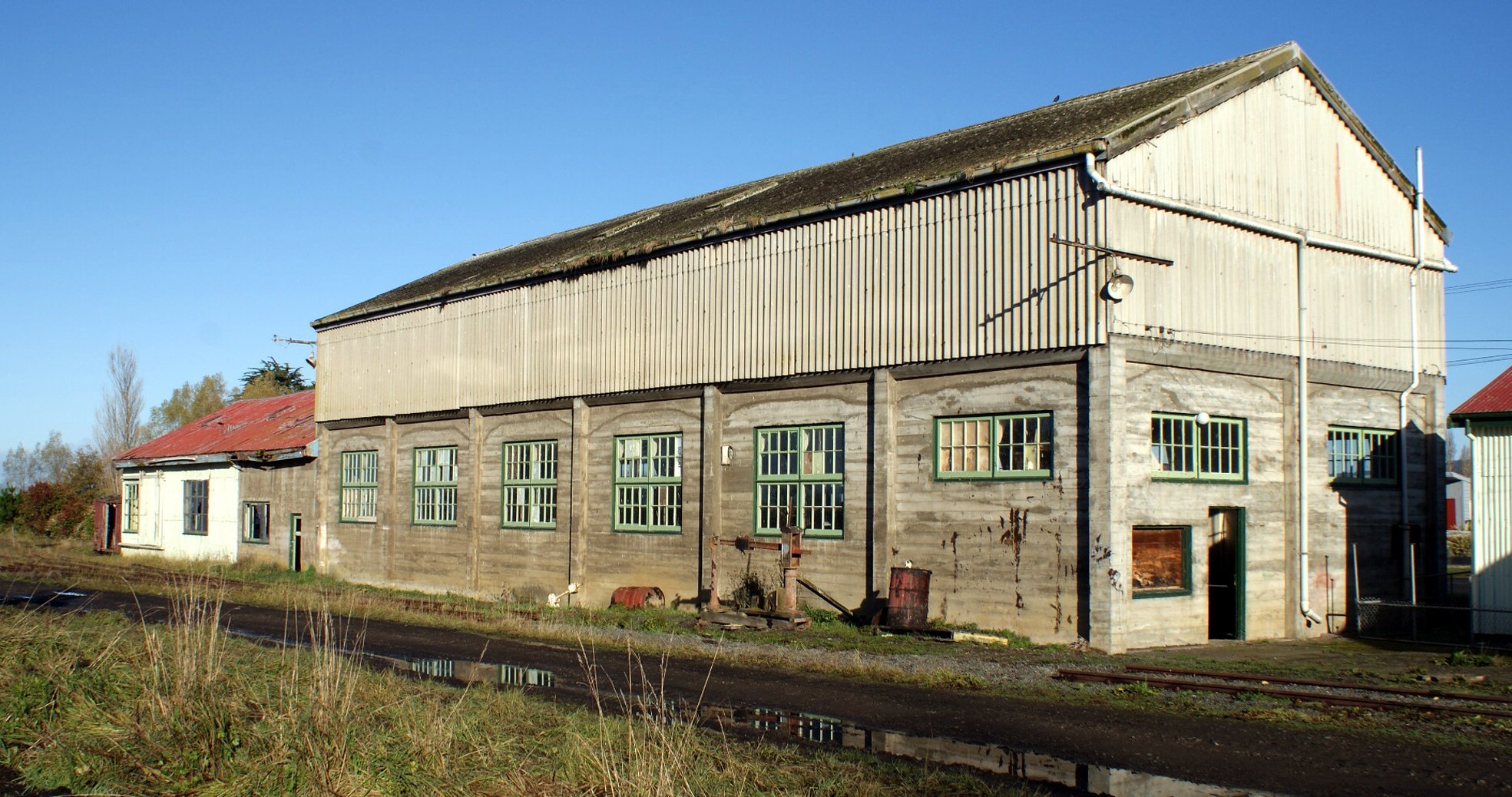
ORB workshop ext 2018-05-22
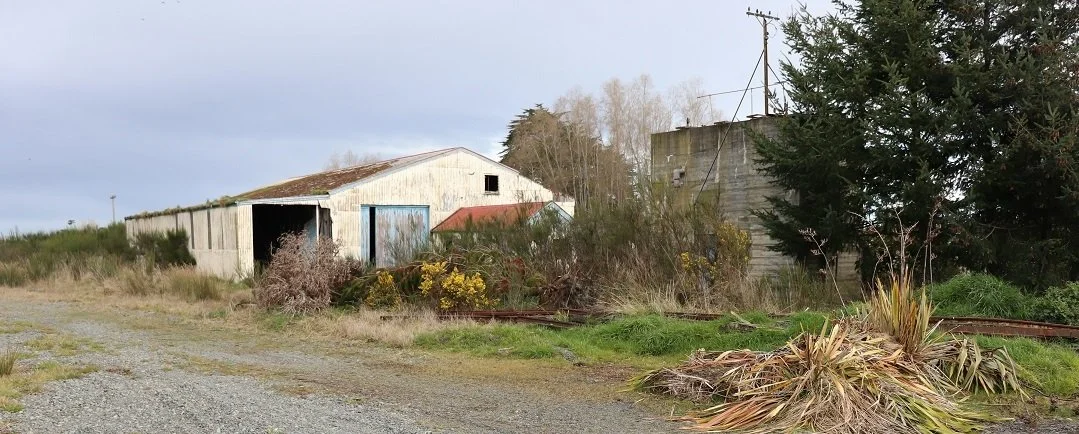
Wairio ORB Loco Shed A LO 2019-08-21
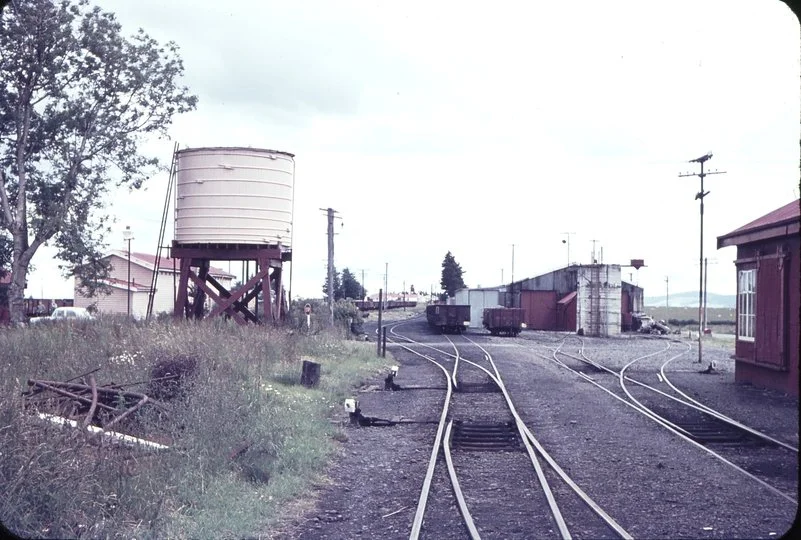
Wairio 8.1.1964
Brief History
The establishment of the Ohai Railway Board followed decades of community pressure to secure reliable transport for one of New Zealand’s most important coal‑producing districts. After Wairio was selected as a rail terminus in 1878 to service government coal reserves, the limitations of the existing routes became increasingly apparent. The 1914 Local Railways Act enabled local communities to fund and build their own lines, and in 1916 the Ohai Railway Board was elected to do exactly that. By 1924 the privately built Wairio–Ohai line was complete, becoming one of only two financially successful private railways in the country and the only one constructed under this legislation.
Although the remaining buildings are concentrated at Wairio, the ORB operated a much wider network that connected settlements at Moretown, Tinkers, Nightcaps, Ohai, Reeds and Birchwood. This line played a central role in the development of Western Southland, providing essential access to one of New Zealand’s richest coalfields and supporting the region’s economic growth for nearly 75 years. After the Board’s dissolution, the line passed through several owners, and while the buildings eventually fell out of use, the branch line itself remains active — the last rural rail link in Southland and a reminder of the industry and communities it once served.
This is a condensed summary based on material from Heritage New Zealand Pouhere Taonga.
To view the full version, please select the link provided in the ‘Useful Links’ section below.
History.
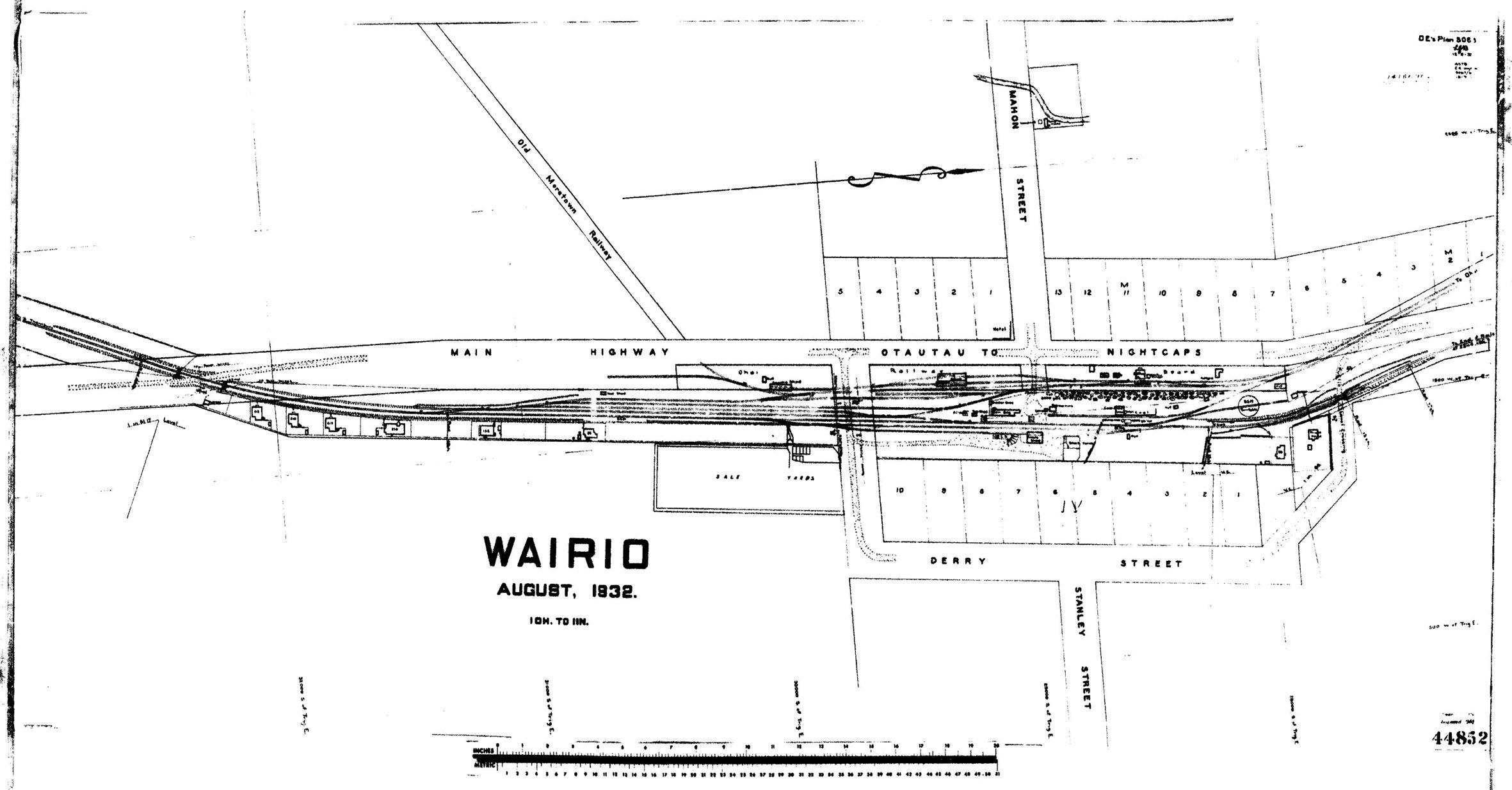
NZ Railways plans for Wairio dated 1932 kindly supplied by Rail Heritage Trust (RHT)
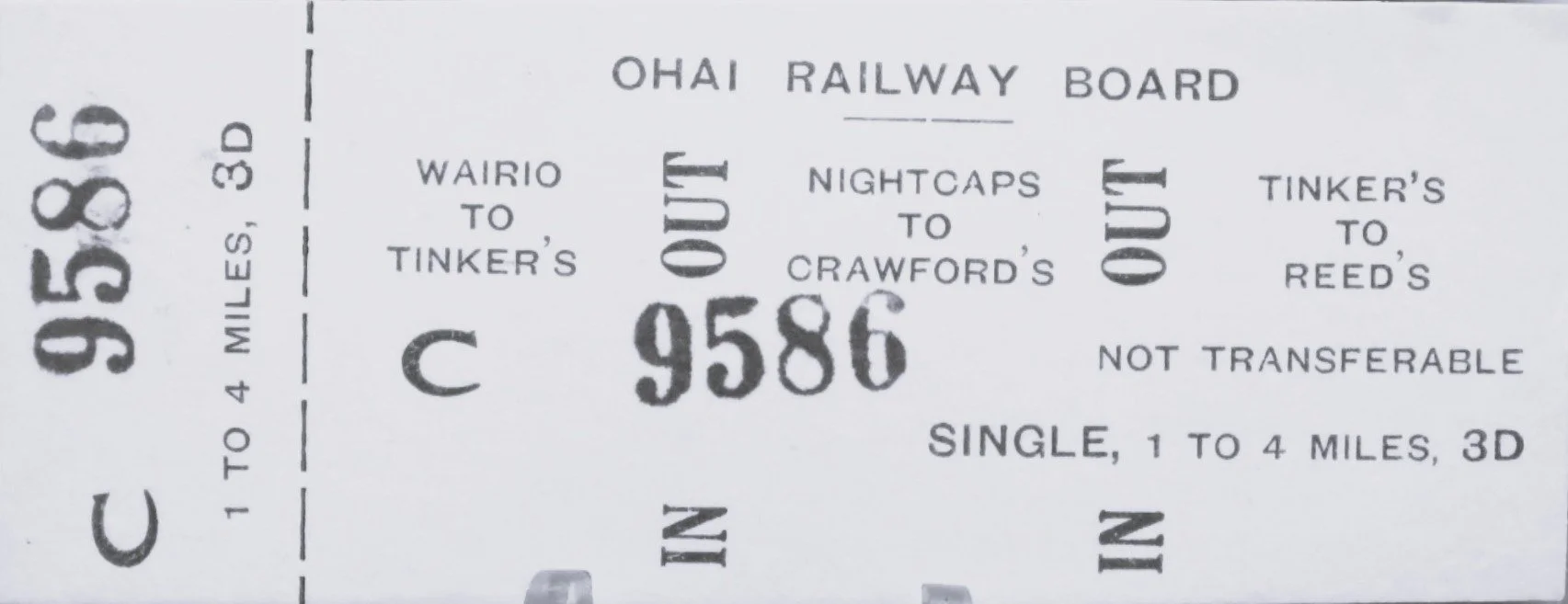
Stories.
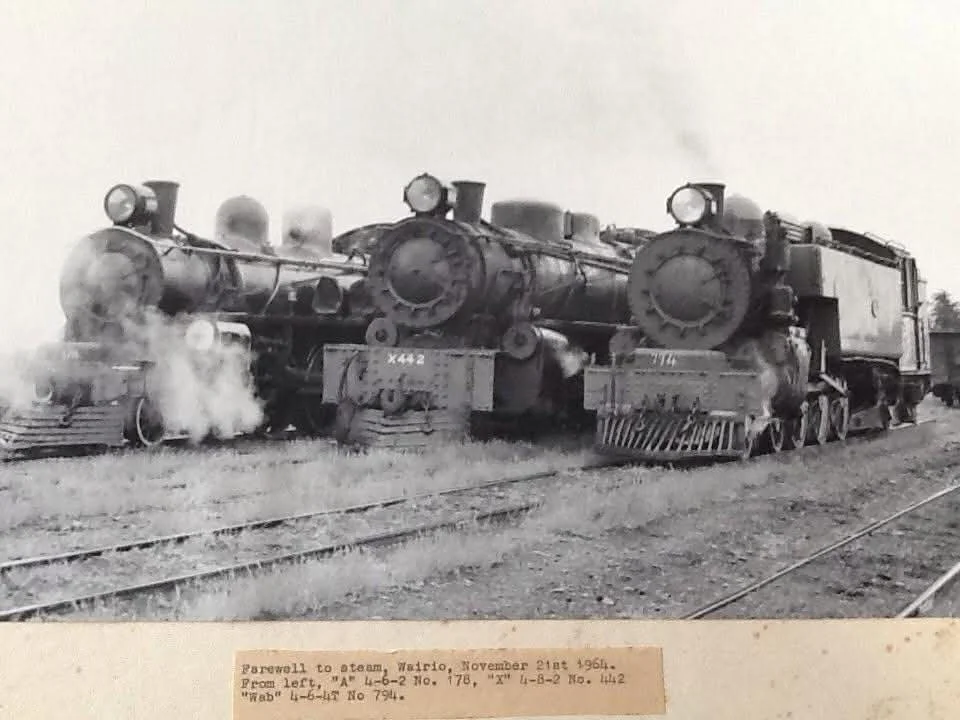
Farewell to Steam – 1964 Excursions
The Ohai Railway Board’s “Farewell to Steam” excursions in 1964 marked the closing chapter of steam operations on the Wairio–Ohai line, bringing to an end nearly four decades of steam‑hauled coal traffic in Western Southland. Steam locomotives X442 and WAB 794, both long‑serving engines on the route, hauled a series of enthusiast and public trips that drew strong local interest and symbolised the transition to diesel traction. The event was documented in the first edition of Coalfields Enterprise (1964), published by the New Zealand Railway & Locomotive Society, which remains the most detailed contemporary record of the occasion and includes several photographs taken on the day.
Both locomotives that worked the 1964 excursions survive today and are preserved by the Feilding and Districts Steam Rail Society. WAB 794 is progressing steadily toward a return to mainline operation, while X442 will require a significant overhaul before restoration can begin. Their continued preservation provides an important link between the 1964 farewell event and the wider story of New Zealand’s railway heritage, ensuring that the legacy of the ORB’s steam era remains visible for future generations.
A178 also took part in the 1964 excursion programme and later became a familiar sight around the Wairio and Ohai yards during the ORB’s transition from steam to diesel. Another locomotive associated with the ORB’s later years, A178 was a small but hardworking diesel shunter used extensively in yard and local duties. Unlike X442 and WAB 794, A178 did not enter preservation and is understood to have been scrapped following its withdrawal, making its appearance during the Farewell to Steam events one of the last notable chapters in its working life.
Thank you to Russ Stenton for allowing us to share this photograph from the November 1964 Farewell to Steam event, featuring locomotives A178, X442, and WAB 794.
1975 Special Train & 50th Anniversary Celebrations
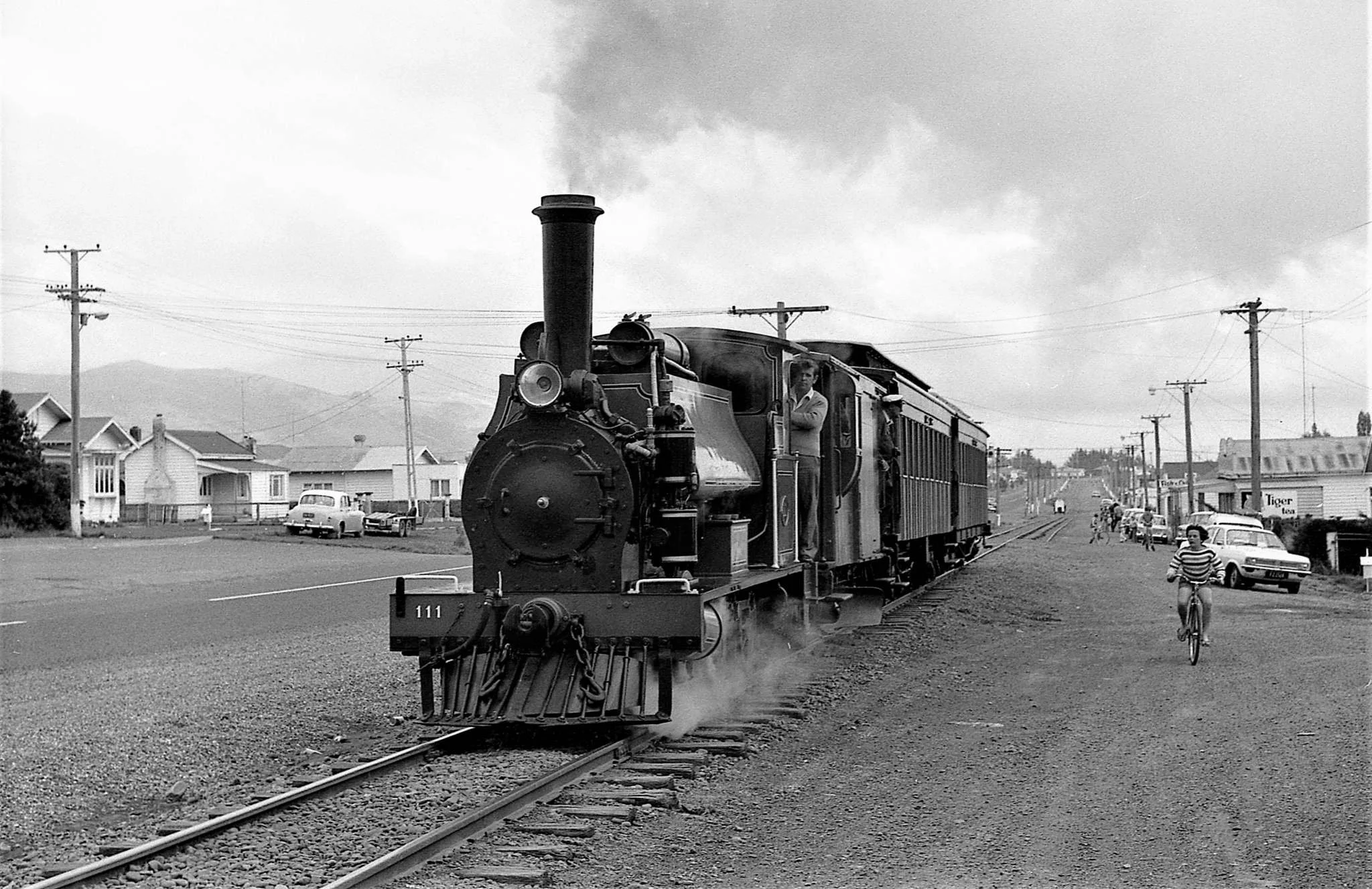
A major celebration was held over the Easter period in 1975 to mark 50 years since the line reached Ohai in 1925. The highlight of the occasion was a special train hauled by F111, a Dübs & Co sister locomotive to F150, which was brought down especially from Ocean Beach Railway in Dunedin for the event. The train ran from Wairio to Ohai on 22 March 1975, drawing railfans, families, and former ORB staff. The celebrations were widely photographed and filmed, and they remain among the best‑documented public moments in the railway’s history, underscoring the importance of the Ohai Railway Board to both the coal industry and the surrounding communities.
Local train enthusiast Russell Cochrane attended the event and recalls that it was very well attended. He has kindly allowed us to share one of several photographs he took on the day, showing F111 running along the main street of Ohai.
The New Zealand Vintage Transport Film Archive also captured the 22 March 1975 celebration in a Super 8mm silent film. The locomotive featured is F111 “Rob Roy”, built by Dübs & Co. of Glasgow in 1879 and loaned for the anniversary by Ocean Beach Railway. The two carriages shown date from 1892 and 1896, with the ballast plough/guards van from 1886. You can view the footage below.
Guards Van F 11
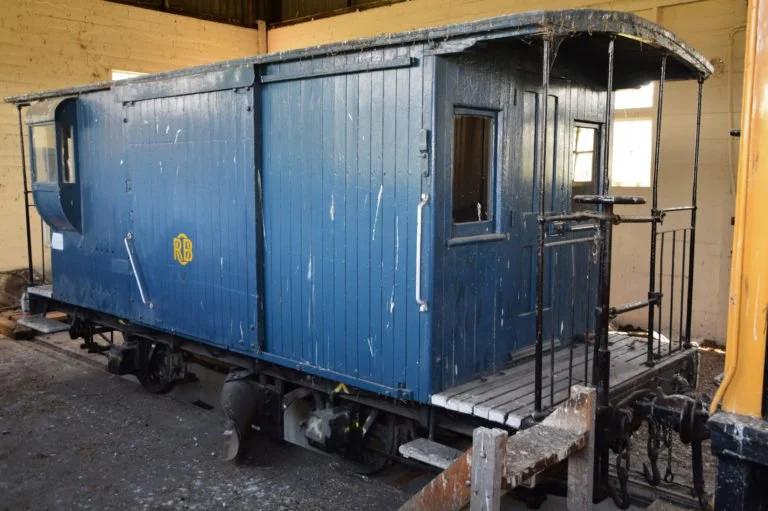
A Survivor of the ORB Era Arrives at the National Railway Museum of New Zealand
The 20th of May 2023 was a significant day for the establishment of the National Railway Museum of New Zealand.
Thank you for the National Railway Museum for allowing us to share the following:
After a lot of planning and co-operation between two rail groups and the transport operator, a key piece of rolling stock arrived on site for display in the museum building.
Guards van F 11 was built to Public Works Department blueprint 9288 of September 1882. This later became NZR BP 198. It is difficult to establish who built the frames of the vehicle as the builders plates have disappeared over the years, but it seems it may have been constructed by the Midland Carriage and Wagon Company, Birmingham in 1883. The body was constructed by NZR workshops at either Addington or Hillside. By the 1920's 4 wheel guards vans were effectively obsolete, and with three other 4 wheel vans F 11 was converted to a Ballast plough van to Blueprint 3262 in 1927. At the same time it was renumbered as E 932. By 1937 it was out of service as it is not shown in the 1938 brake van list. In 1941 it was sold to the private colliery railway the Ohai Railway Board in Western Southland. In 1975 the van was painted blue with two 1880s era clerestory carriages* for excursions over the line with locomotive F 111. The Southland District Council took over running of the line in 1989 and New Zealand Railways Corporation operated the line from 1990.
The Heritage assets of the ORB were later distributed to various rail groups by the Southland District Council. F 11/E 962 was offered to the National Railway Museum for future display on long term loan. After being removed from Wairio Workshops for several years the van has been stored under cover with the help of the Ocean Beach Railway in Dunedin. We thank both the Ocean Beach Railway for storing the van for us and also our excellent contractor AK Crane and Mechanical for transporting this historic vehicle safely to our site.
*Clerestory carriages had a raised roof with additional windows to improve lighting and ventilation.
***
The van is currently stored indoors and protected from the weather inside the museum building. It is not on general public display at this stage, except for special occasions, while work continues toward opening the museum to visitors.
Plans for the future
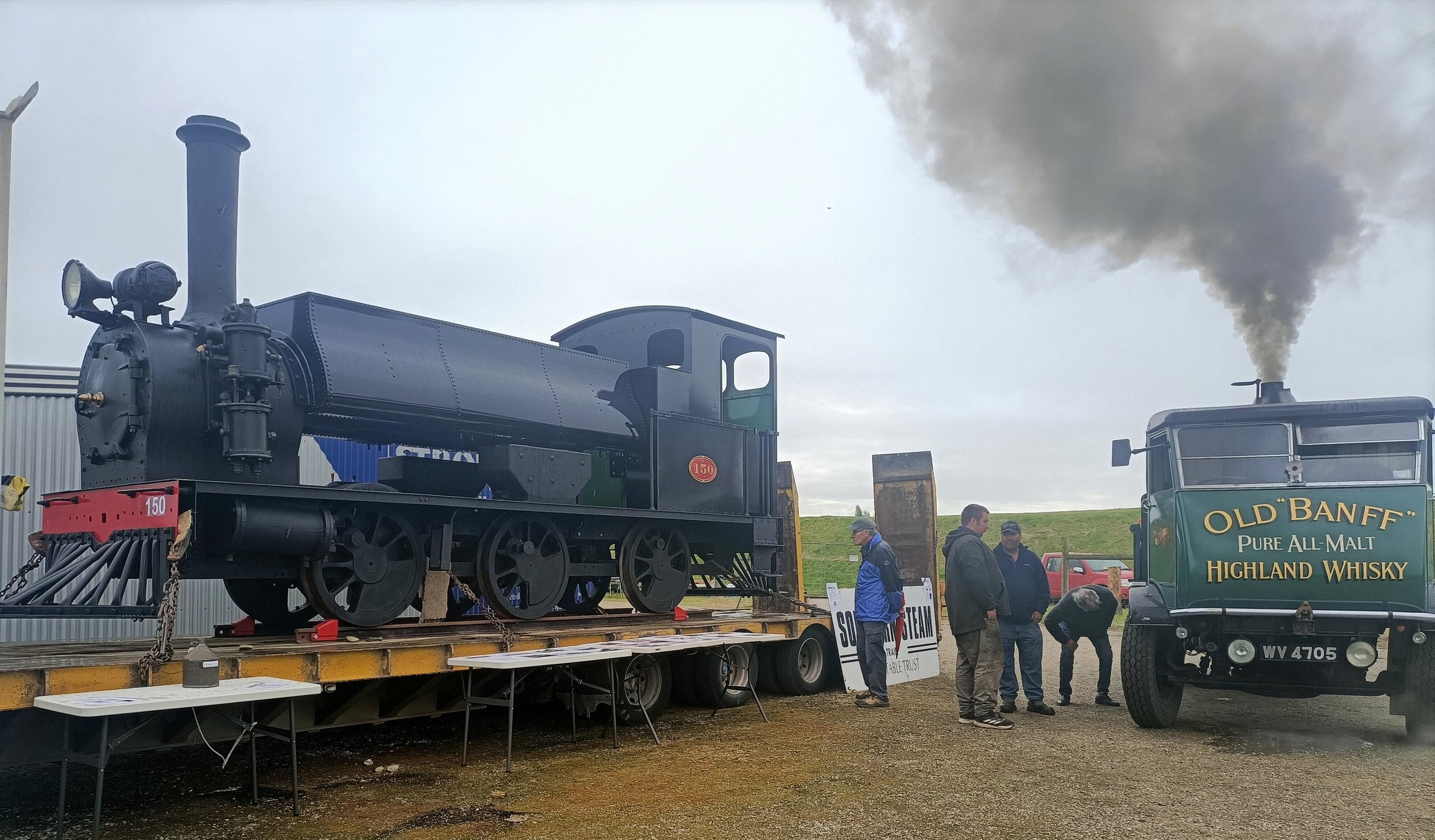
Southern Steam Charitable Trust
The following are a few words from Lindsay Buckingham from Southern Steam Trust plans specifically around the Ohai line:
The restoration of steam locomotive F150 by the Southern Steam Trust in Invercargill adds a contemporary chapter to the story of the Ohai line. As part of their long‑term vision, the Trust plans to establish an operating heritage railway by leasing 7 km of the mothballed Ohai line between Lorneville and Branxholme. Now over three years into the rebuild, the project has already seen over $540,000 invested, with further fundraising still required to complete the locomotive and fulfill their dream to return her to steam for the Southland community.
Lindsay provided an image from the recent Edendale Crank Up Weekend (2026) showcasing the F150. This is the first time F150 has been together in two years and showcases our progress with restoration.
‘This is the first time F150 has been together in two years and showcases our progress with restoration.’
If you would like to view the 1 News footage about ‘bringing the F150 Locomotive back’, find the link below from ‘Useful Links’.
Check out the Southern Steam Charitable Trust website
Lindsay has also provided a link to a video on the website that documents the rise and fall of Southland Railways from 1863 to 2022. Southland peaked at 602km of rail lines. It is a great watch, check it out below.
Useful links