H & J Smith ~ Stories from the Store ~ Vicky Henry
H & J Smith’s: A Southland Legacy of Family, Community, and Unforgettable Stories
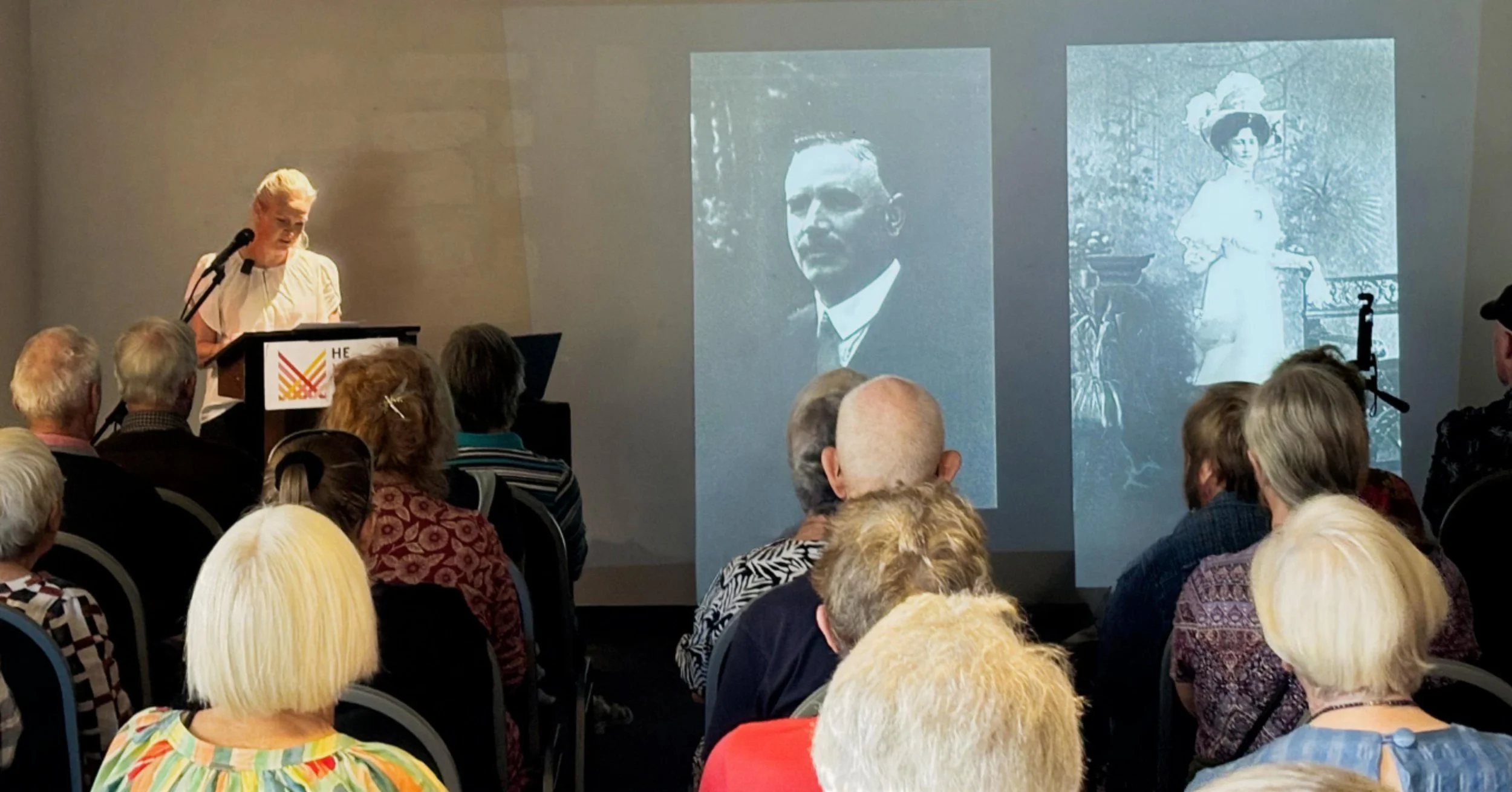
During Heritage Month, Southlanders packed into a full house at Hai Waka Tuia to hear Vicky Henry speak about one of Southland's most beloved institutions — H & J Smith’s. The crowd, spilling into standing room, showed just how deeply this iconic department store remains rooted in the hearts of the community. It sparked such enthusiasm that it was later followed by both a podcast (link below) and an Encore Kōrero in September.
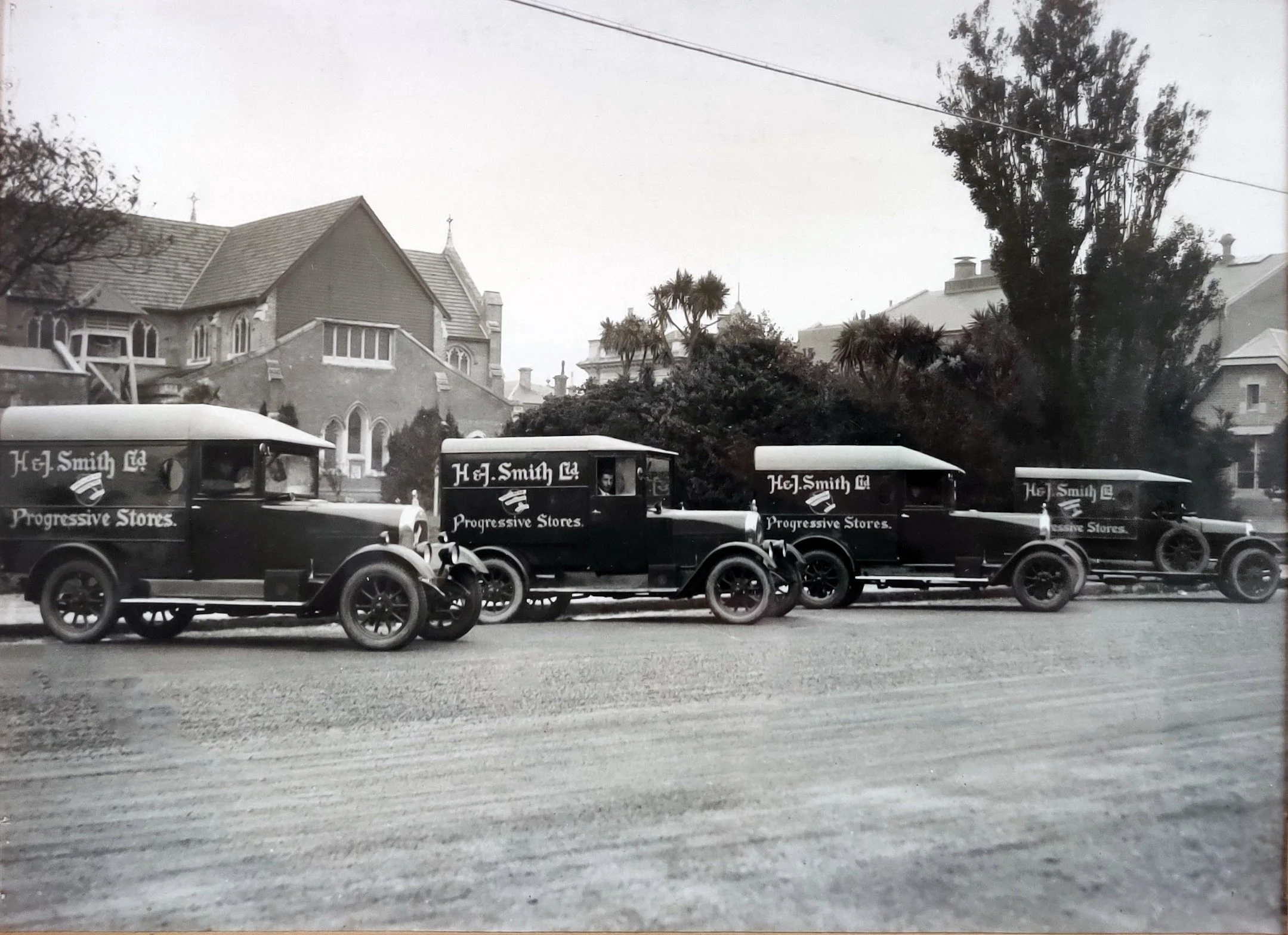
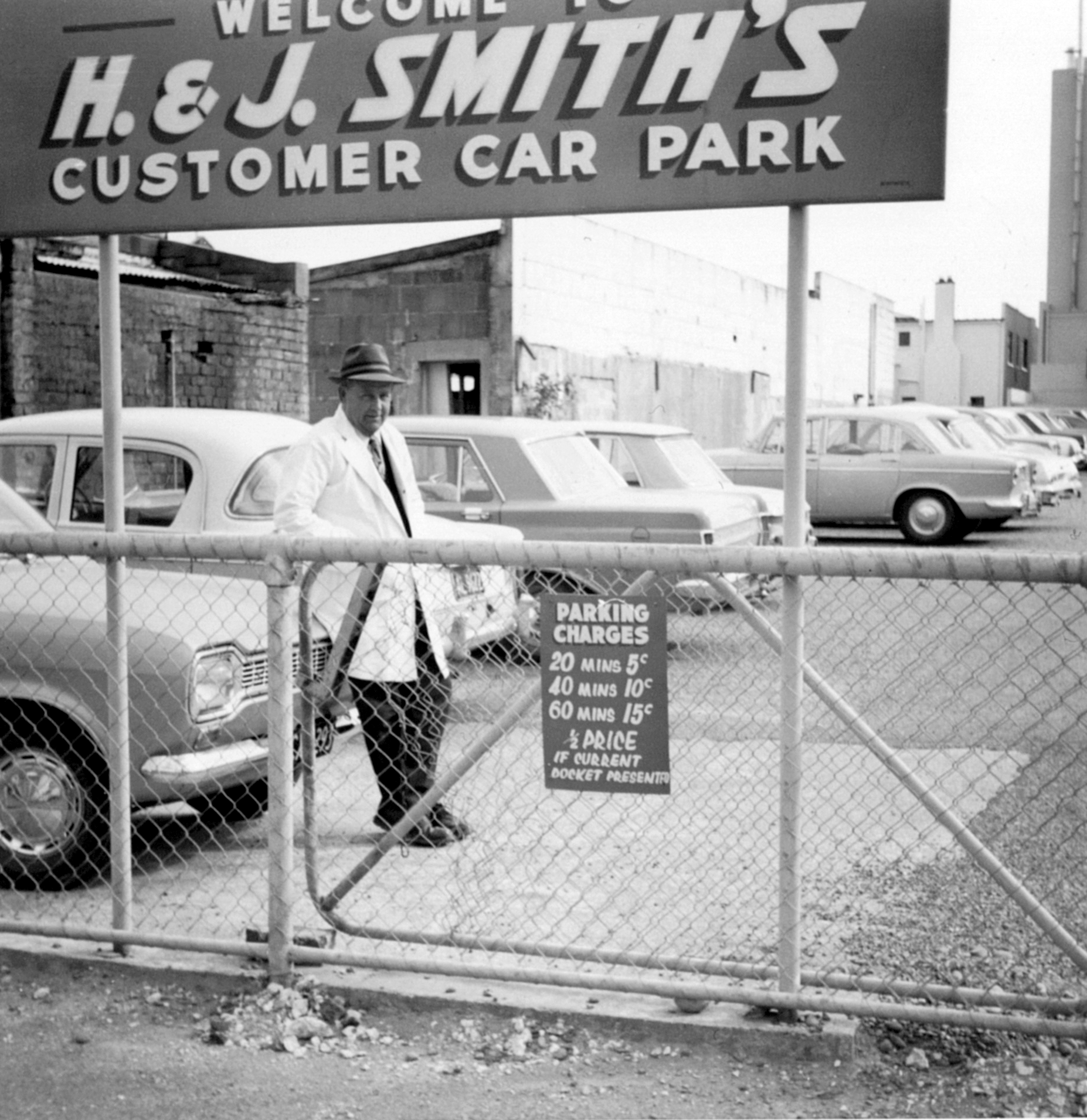
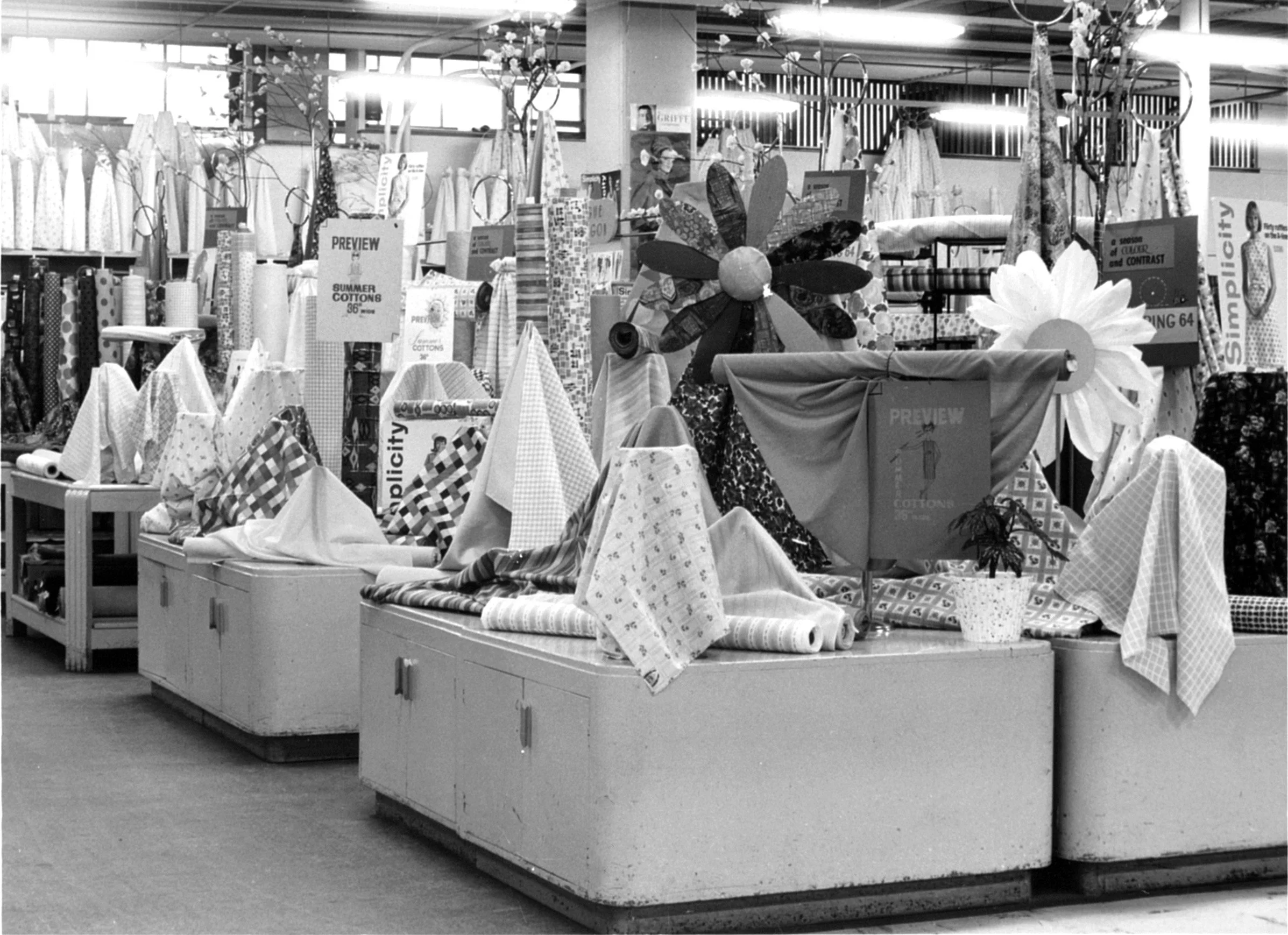
For 123 years, H & J Smith’s was more than simply a retailer — it was a meeting place, a workplace, a fashion hub, a social space, and a cornerstone of life in Southland. Vicky’s stories gave voice to what many already felt: H & J Smith’s wasn’t just a store; it was part of our collective heritage.
Heritage Month 2025 ~ He Waka Tuia
Vicki Henry speaking at Heritage Month, accompanied by archival images of store founders John and Helen Smith.
A Remarkable Five-Generation Connection
Vicky herself has a unique relationship with H & J Smith’s — one that spans five generations of her family.
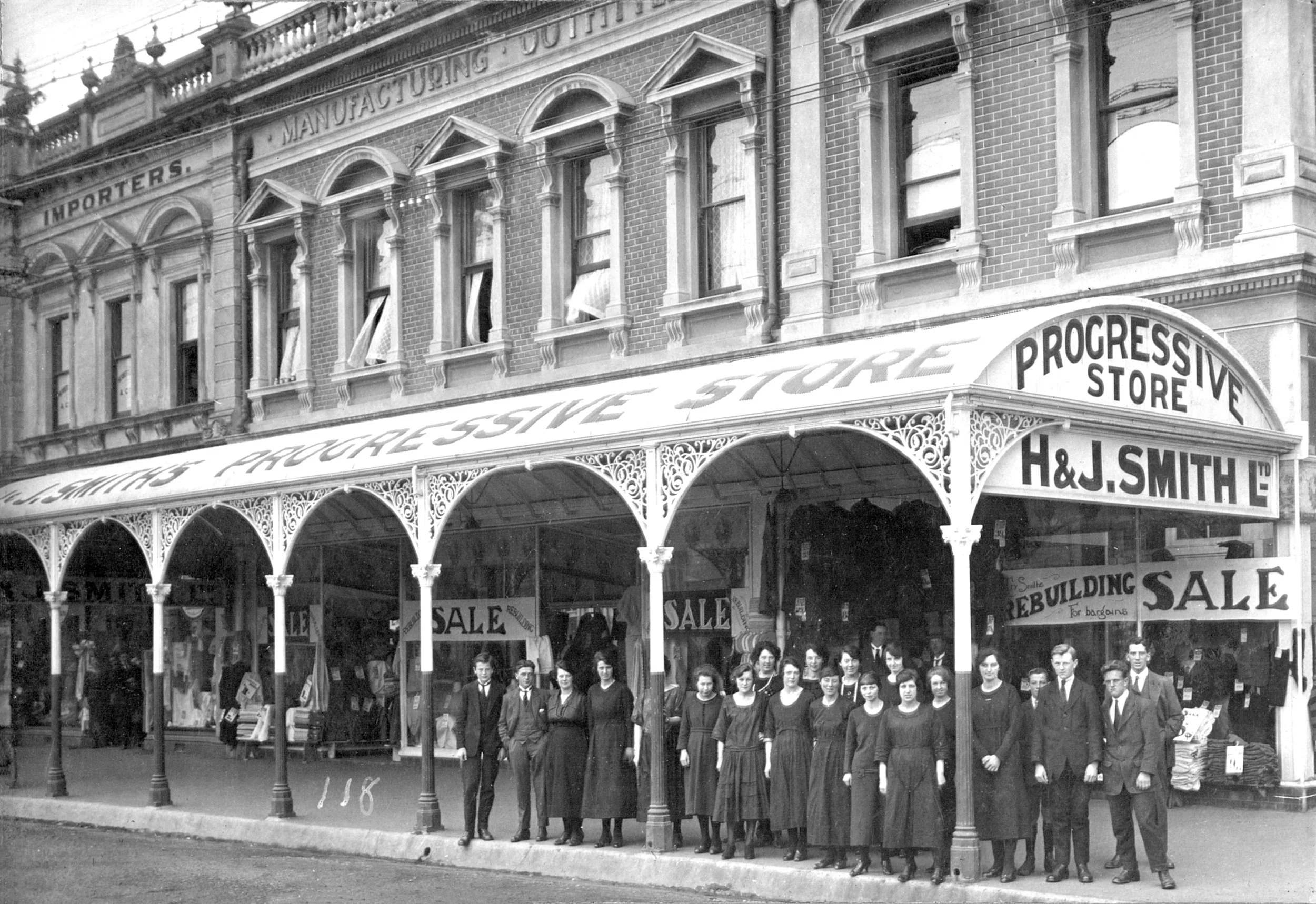
Her great-grandmother worked in the Tay Street store in the early days, followed by both grandmothers, then Vicky’s mother during her student years. Vicky joined the company and stayed for 23 years, and to complete the legacy, her daughter spent time there on work experience shortly before the doors closed for good.
This multigenerational connection is a mirror of what many Southlanders feel. So many families can say, “My mum worked there,” “My aunt worked there,” or “I worked there while I was at school.” H & J Smith’s was woven through families just as tightly as it was woven into Southland’s history.
The Early Story: Helen & John Smith — A Visionary Sister and Brother Team
The “H” and “J” in the store’s name stand for Helen and John, the sibling founders who opened their first shop at 125 Dee Street on 19 April 1900.
Raised on a farm near Mosgiel, both Helen and John had worked for a hosiery manufacturer in Dunedin before making the bold decision to start their own business. When John was refused a much-needed pay rise — despite being the manager — he and Helen decided to take a leap, move to Invercargill, and establish their own store.
Helen: The Driving Force
While John handled purchasing and travelled Southland by horse and cart, Helen ran the shop floor, the manufacturing department, and the day-to-day operations. She was the managing director, respected and admired not just within the business but throughout the wider community.
Her belief in equality meant women held strong leadership roles in the store long before that was common in New Zealand society. This philosophy, born from her leadership, lasted into the 1960s and 70s, making H & J Smith’s a standout workplace for women.
The Elopement Story
One of the charming tales from Helen’s life is her quiet trip to Wellington in 1915. While officially going to meet John returning from an overseas trip, she also used the opportunity to secretly marry the managing director of a rival department store — Broad Small’s. A true Romeo & Juliet moment of Southland retail!
She returned home quietly, and though intensely private, it is remembered as a very happy marriage.
Her Passing
Tragically, Helen died in 1918 during the influenza pandemic at just 45. Her death was a devastating blow to the business and the community. Yet because so many families across Southland were suffering similar losses, it helped ease the transition as John stepped into full leadership. Her legacy lived on in the culture she built.
Growing Into a Southland Landmark
After their first eight years on Dee Street, the pair moved the shop to 48 Tay Street in 1908, expanding the business twice over the following decade.
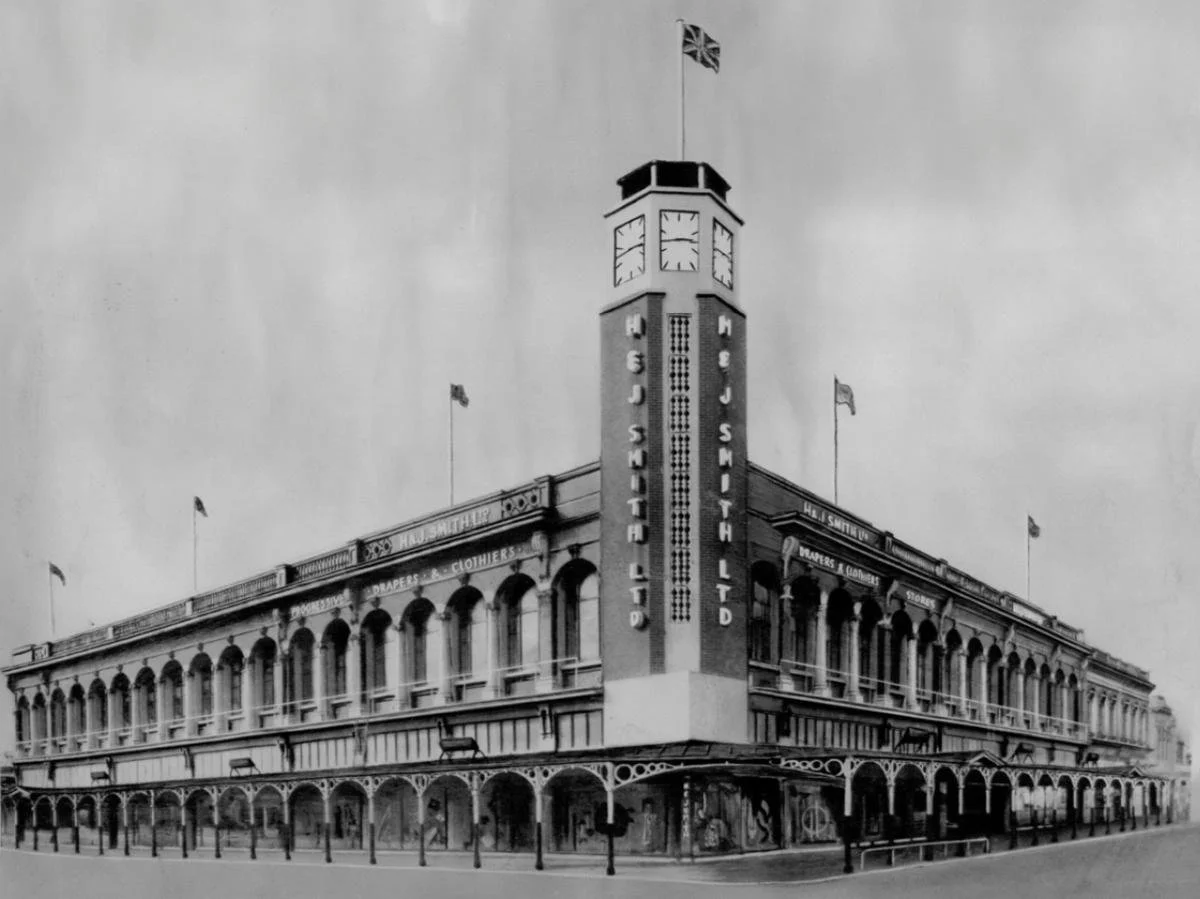
In 1922, H & J Smith’s moved into the building at the Kelvin/Tay Street corner — a structure originally built in 1913 for Price & Bulleid’s. Over the next three decades, John quietly purchased surrounding buildings, eventually creating the large department store that many of us remember from childhood.
The final major expansion came in 1958, when the store finally connected the full length from Esk Street to Tay Street.
A Store Built on People: Staff, Customers, and Community
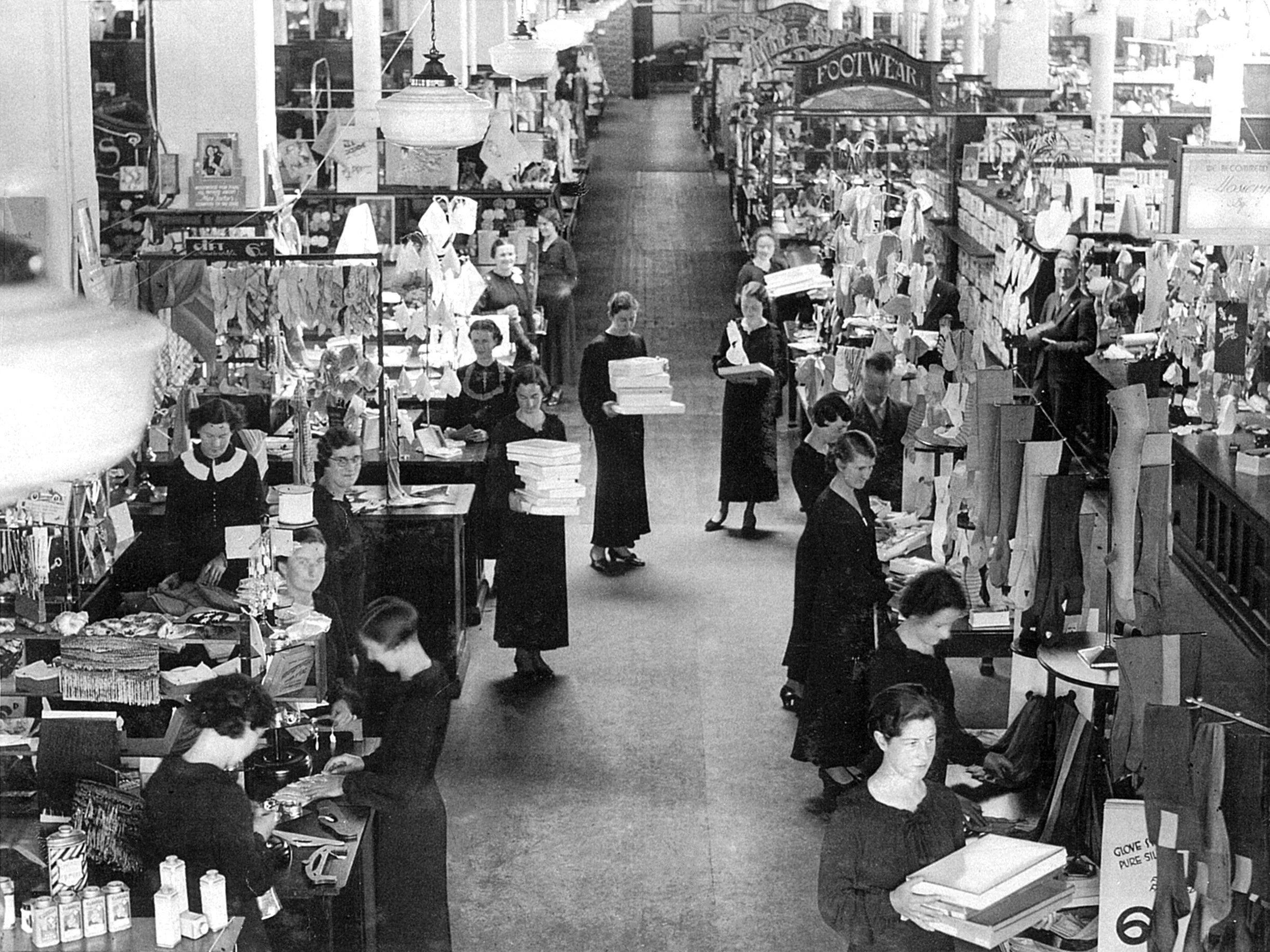
From Helen and John’s earliest days, staff were considered family. Social events were encouraged and supported — picnics in the countryside, ice skating, dances, musical evenings, and staff gatherings.
In 1926, John built a ballroom above the Esk Street dispatch area, complete with a sprung floor, clubrooms, and space for lectures, cards, and social gatherings. In later years, this very ballroom became the squeaky-floored area of the toy department on level one — a detail many Southlanders still remember vividly.
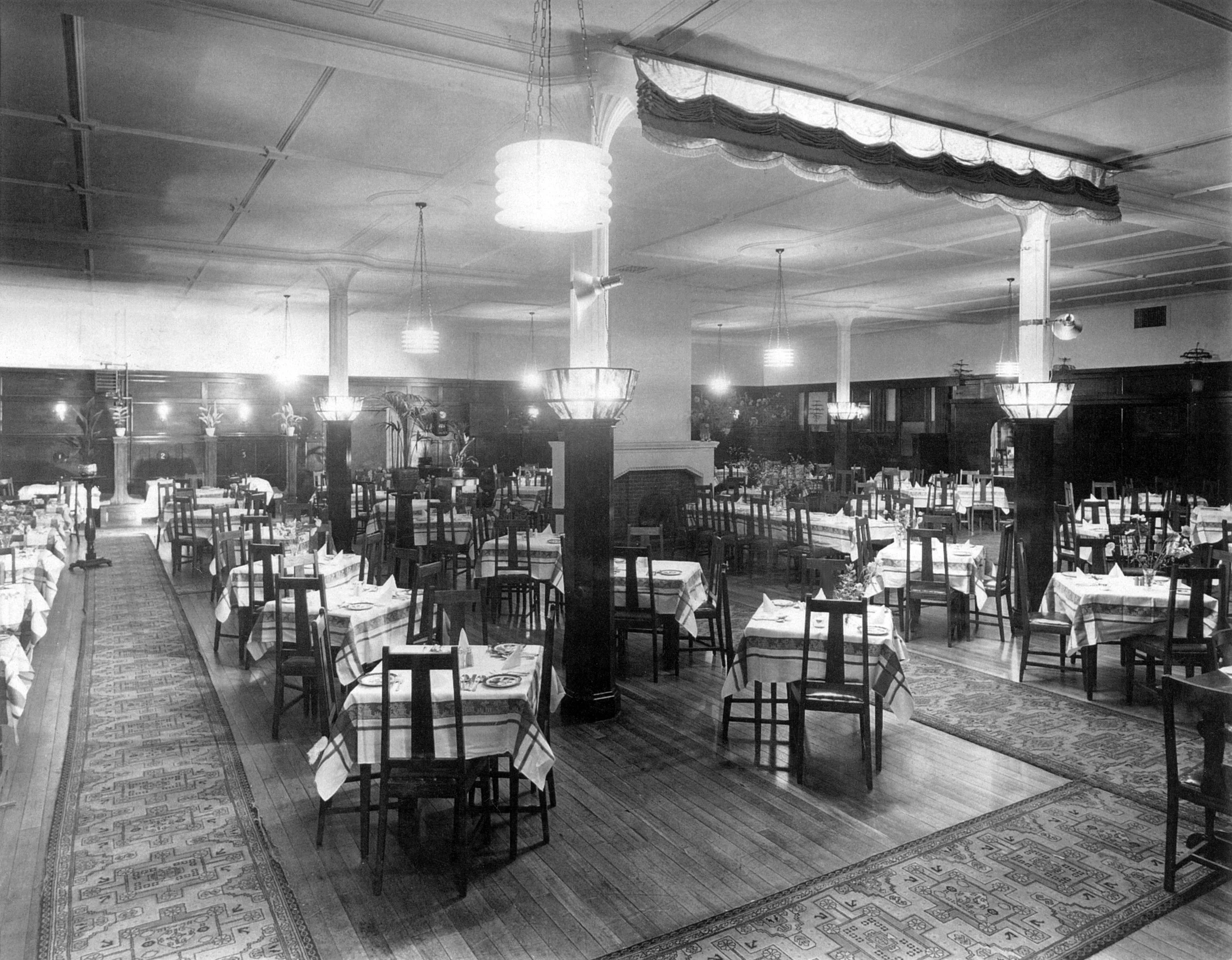
Customers, too, were part of this family culture. Loyal shoppers returned weekly, not only for goods but for the experience — the friendly faces, the shared stories, and rituals like visiting the Copper Kettle café for cheese rolls and a cuppa.
The Famous Lamson Jigger – A Treasure of Southland Memory
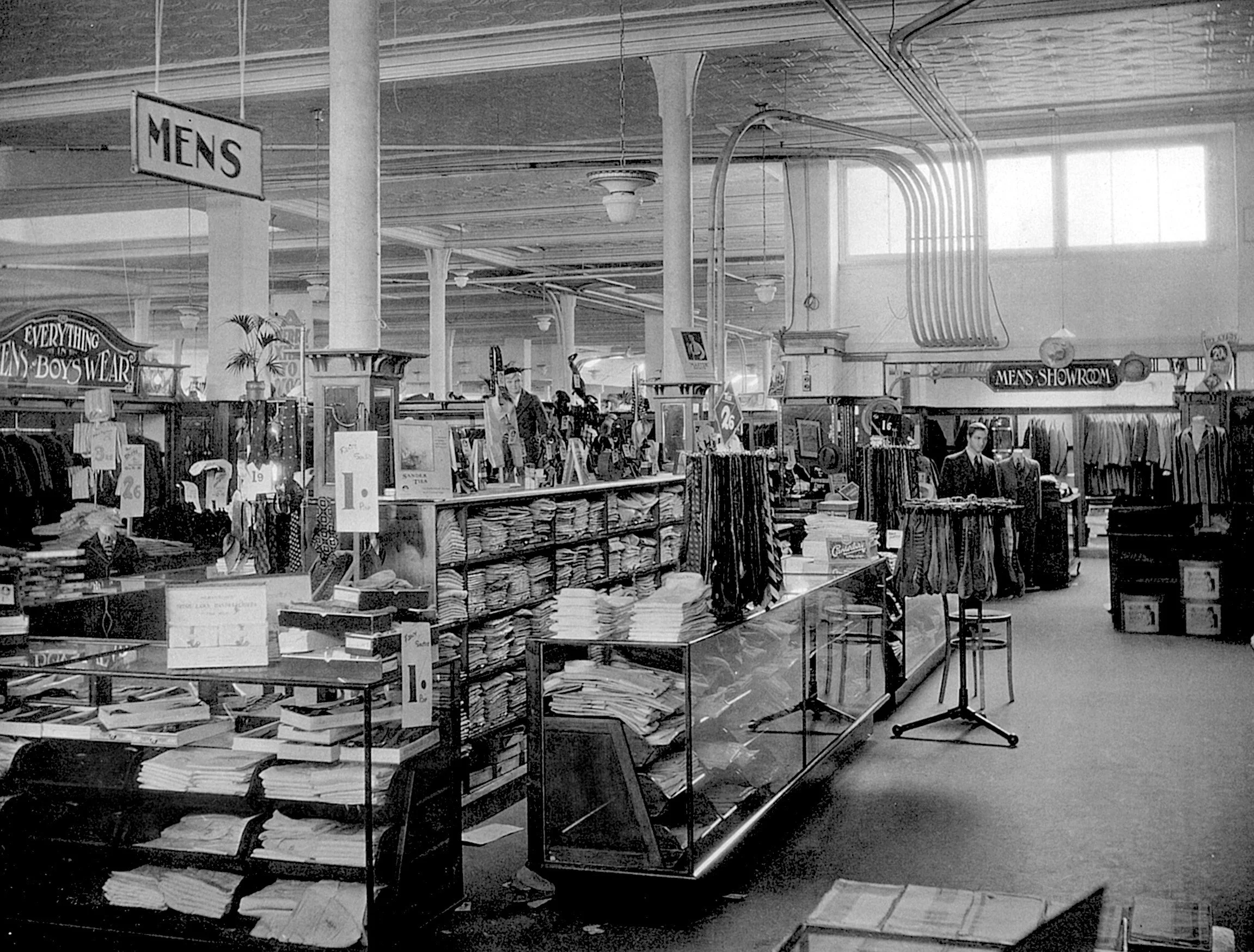
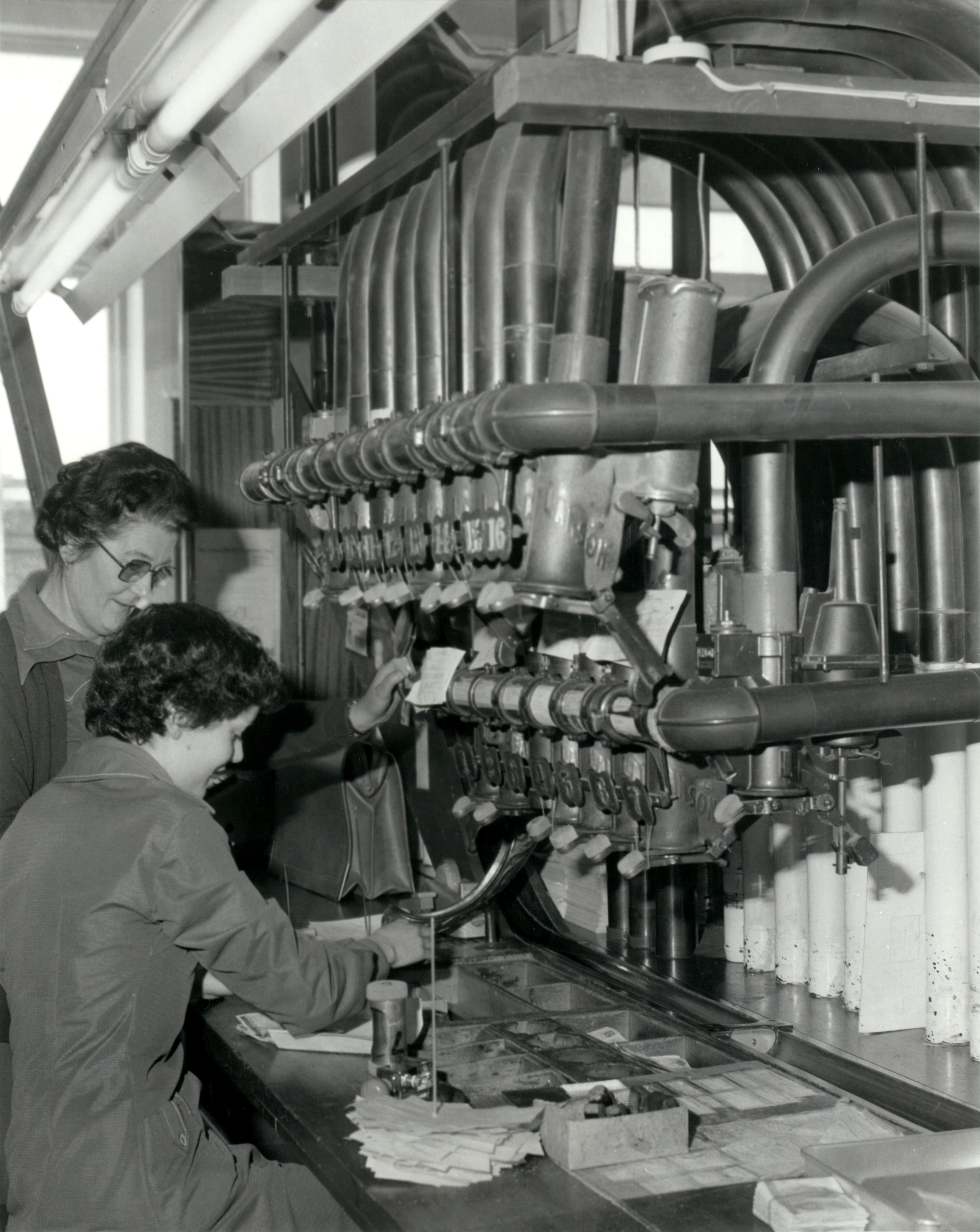
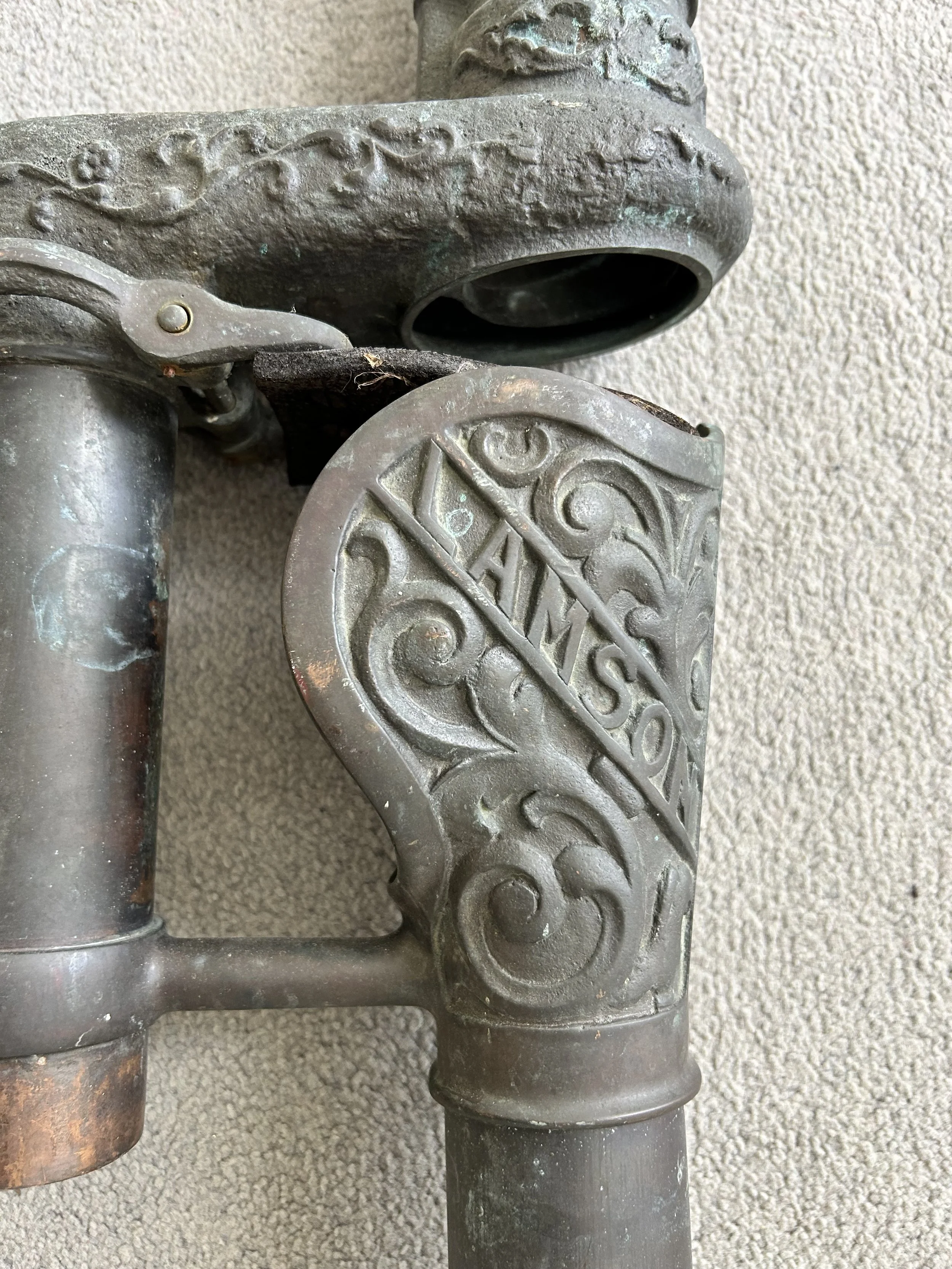
One of the most iconic parts of the H & J Smith’s experience was the Lamson pneumatic tube system, introduced in 1923. This system connected every cash desk to a central office through an impressive network of copper pipes.
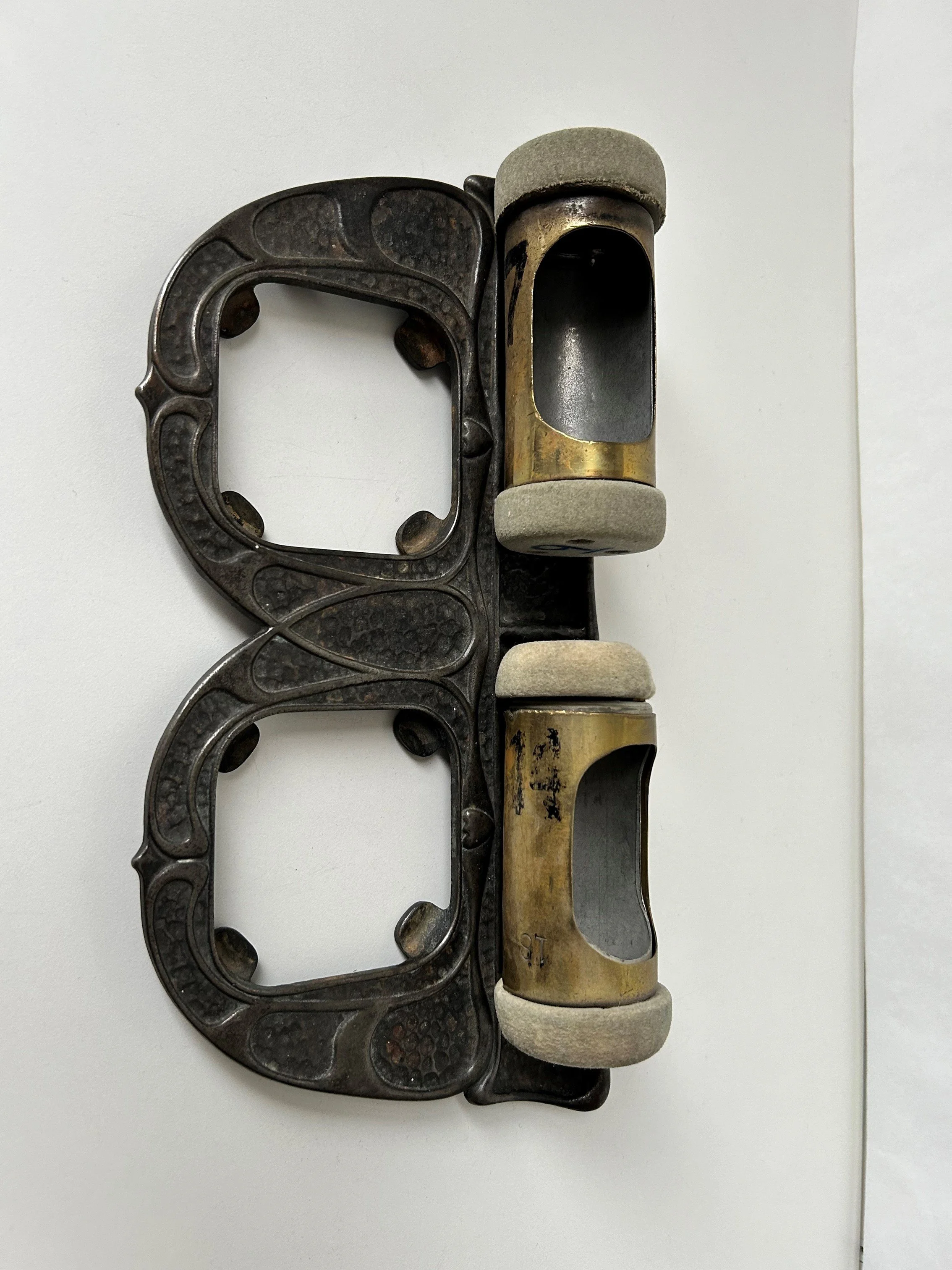
Staff would insert cash into a small brass jigger, twist it closed, and send it zooming through the building. It returned with change, receipts, or account confirmations.
For decades, the Lamson system was a source of delight — especially for children — and became one of the store’s most distinctive features.
The Pranks and Stories
The Lamson system has its own library of folklore, including:
The mouse prank: Someone in the Boys’ Department once placed a live mouse in a jigger. When the office girls opened it, there was a chorus of screams, followed by a furious Mr Smith marching through the store to find the culprit.
The marriage proposal gone wrong: A staff member proposed to his sweetheart via jigger — except she wasn’t the one who opened it. The end of that story remains a mystery.
Many other stories, some involving escaped circus animals in the store, will reportedly appear in Clive Lind’s upcoming book.
Heartfelt Endings: Vicky’s Most Cherished Memory
Of all the stories Vicky shared, the one that stayed with listeners most deeply was her final memory from the store’s closing day.
After the doors shut and the piper led staff through the building, everyone gathered in the now-empty linens and gifts area for quiet drinks and nibbles — a moment of reflection after more than a century of business.
Then, in a deeply emotional gesture, the Verdon Kapa Haka group — with whom the store had collaborated over the years — arrived to perform a private waiata and haka. The performance was a tribute to the staff and to the special bond between the school and the store.
For Vicky and many others, it was the perfect way to close the final chapter of the H & J Smith’s story — honouring the people who made it special.
A History Still Being Told
Local author and former Southland Times editor Clive Lind has completed a major updated history of H & J Smith’s, tracing the store’s journey from its earliest days right through to its closure. His book launches this month (November 2025), offering Southlanders a long-awaited chance to revisit the stories, personalities, and legacy of this iconic department store.
Heritage South hopes to welcome him onto a podcast soon to share more of the stories he has uncovered — and to help ensure the legacy of H & J Smith’s continues to be preserved for future generations.